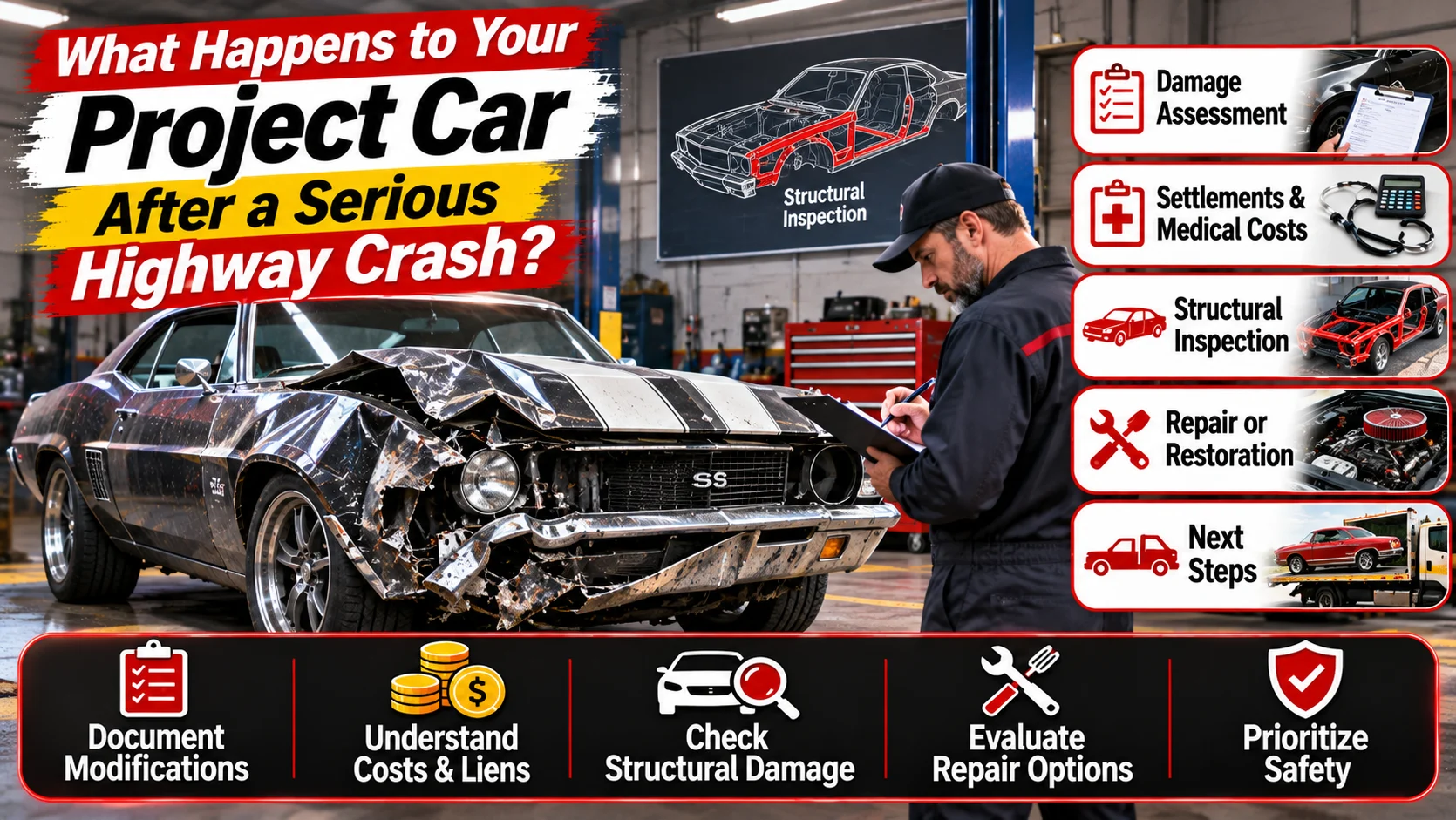

A spotless used car can hide years of neglect, expensive repairs, or damage that never appears in its sales description. Fresh paint and polished interiors may create confidence, but they cannot reveal what lies beneath the surface.
Previous repairs often show how carefully a vehicle was maintained and whether earlier problems were properly resolved. Overlooking these details can leave buyers facing unexpected mechanical expenses. Checking service records, examining vehicle history, and arranging an independent inspection can reveal problems before they become costly surprises.
In this article, we explain how buyers can evaluate a used car’s repair history and identify potential problems before making a purchase.
A Clean Exterior Does Not Reveal a Vehicle’s Mechanical Condition
Fresh paint, polished bodywork, clean upholstery, and recently replaced tires can make an older car look well-maintained. However, cosmetic improvements reveal little about its mechanical history.
A vehicle may have undergone significant accident repairs or experienced engine overheating, transmission problems, and prolonged maintenance neglect. Some damage can remain hidden beneath replacement panels or newly painted surfaces.
Buyers should look for uneven panel gaps, differences in paint shades, corrosion, fluid leaks, and unusual wear. Examining the engine compartment and underbody can also reveal signs of previous damage.
Incomplete Repair Records Can Hide a History of Recurring Problems
Service records show whether previous owners maintained a vehicle consistently and which components required repeated attention. Missing invoices or unexplained gaps make its maintenance history difficult to verify.
Repeated engine, transmission, cooling-system, or suspension repairs may indicate unresolved mechanical problems. For example, recurring cooling-system repairs could suggest that an overheating issue was never properly addressed.
Conn Law, PC also recommends that buyers compare dealership descriptions with available records. Some dealerships may conceal previous damage or misrepresent a vehicle’s condition, leaving buyers unaware of significant problems.
These situations may involve auto dealer fraud, particularly when dealerships knowingly mislead customers about a vehicle’s condition or mileage. A 2025 Department of Justice case involved a used-car dealer who admitted altering odometers on hundreds of vehicles. The case demonstrates how dishonest dealership practices can distort a vehicle’s documented history.
Request repair invoices, maintenance schedules, and inspection reports. Compare service dates and mileage readings to identify inconsistencies. If the seller cannot explain significant gaps, arrange an independent assessment.
Previous Repairs Can Reveal Problems That a Test Drive May Not Expose
A short test drive cannot reproduce every condition a vehicle experiences during regular use. Some problems appear only after the engine reaches operating temperature or when the vehicle travels at higher speeds.
Previous repair records can help identify these concerns. Repeated brake replacements, steering repairs, electrical work, or suspension adjustments may indicate recurring issues. Buyers should investigate whether earlier repairs addressed the underlying cause.
During the test drive, watch for unusual vibrations, delayed gear changes, inconsistent braking, warning lights, and abnormal engine sounds. The Consumer Reports used-car inspection checklist by Autos Editor Jon Linkov recommends asking sellers about previous crashes, repair costs, and who performed the work. Linkov also highlights how organized maintenance records can indicate that a vehicle received proper care.
Vehicle History Reports Can Help Identify Undisclosed Damage
A vehicle history report can uncover important details that sellers may not mention. Depending on available records, it can reveal reported accidents, previous ownership, mileage readings, title changes, and recorded service events.
Previous salvage or rebuilt titles may indicate significant accident damage. Mileage discrepancies can also suggest odometer tampering or inaccurate maintenance records. These details help buyers identify potential concerns before committing to a purchase.
The National Highway Traffic Safety Administration reports that odometer tampering affects over 450,000 vehicle sales across the United States each year. Buyers should therefore compare reported mileage with service records and inspect the vehicle for signs of inconsistent wear. For example, a vehicle showing 20,000 miles or less would generally be expected to have its original tires.
Recently replaced tires on a low-mileage vehicle may therefore warrant questions about its maintenance and usage history.
Poorly Executed Repairs Can Lead to Further Mechanical Problems
The quality of previous repair work can influence a vehicle’s long-term reliability. Incorrect installation, unsuitable replacement parts, or incomplete repairs may cause components to fail again.
Accident repairs deserve particular attention. Poorly restored structural components, incorrect alignment, or improperly fitted suspension parts can affect handling and safety. Inadequate electrical repairs may also cause recurring warning lights or system failures.
Buyers should examine invoices for details about replaced components, completed work, and the workshop responsible. A professional assessment can help determine whether previous repairs were completed properly or require further attention.
A Thorough Inspection Helps Establish the Vehicle’s Actual Condition
A qualified mechanic should examine the engine, transmission, brakes, suspension, steering, tires, and electrical systems. The inspection should also cover the underbody and areas showing signs of previous accident repairs. Diagnostic checks can reveal stored fault codes and potential electronic issues.
Request a written report identifying existing problems and estimated repair costs. Compare the findings with the seller’s disclosures and available service records. If the seller refuses an independent inspection, reconsider the purchase rather than relying solely on verbal assurances.
Frequently Asked Questions
Which repair records should buyers request before purchasing a used car?
Request maintenance records, repair invoices, accident-related documents, and receipts for major component replacements. These should include service dates, mileage readings, workshop details, and work performed. Such records help identify recurring problems and verify maintenance consistency.
Can a vehicle history report show every previous repair?
No. These reports depend on information supplied by repair shops, government agencies, and other sources. Privately funded repairs or undocumented damage may not appear. Buyers should compare reports with available invoices and arrange an independent inspection.
Why should buyers arrange an independent inspection before purchasing a used car?
An independent inspection can identify mechanical faults, concealed damage, and poorly executed repairs. A qualified mechanic can also estimate upcoming repair costs, helping buyers understand the vehicle’s condition and make an informed purchasing decision.
What the Numbers Reveal About Used Car History
| Vehicles sold annually in the United States with false odometer readings | More than 450,000 |
| Vehicles involved in the 2025 Department of Justice odometer tampering case | Hundreds of vehicles |
| Vehicle history report coverage | Reported accidents, ownership changes, mileage readings, title changes, and recorded service events |
| Potential odometer fraud indicators | Mileage inconsistencies between vehicle displays and maintenance records |
| Low-mileage vehicle inspection clue | A vehicle showing 20,000 miles or less would generally be expected to have its original tires |
Look Beyond Appearance When Evaluating a Used Car
A used car’s exterior may attract attention, but its repair history provides important clues about long-term reliability. Missing records, repeated repairs, and inconsistent seller disclosures deserve careful investigation.
Buyers should combine service documentation with vehicle history checks, a test drive, and an independent mechanical assessment. These steps can reveal problems that cosmetic improvements might conceal.
Taking time to verify previous repairs can prevent unexpected expenses and help buyers make a more confident purchase.