
Buying a car is a significant decision, and drivers in Wichita have several factors to consider before choosing a vehicle. From setting a realistic budget to checking a vehicle’s history, condition, fuel economy, and ownership costs, taking time to research can make the process much easier. Whether you are shopping for a new model or considering a used vehicle, knowing what to look for can help you avoid unexpected expenses later. Comparing available options through a car dealership Wichita Falls can also help you understand different models, features, and pricing before making a final decision.
Start With a Realistic Budget
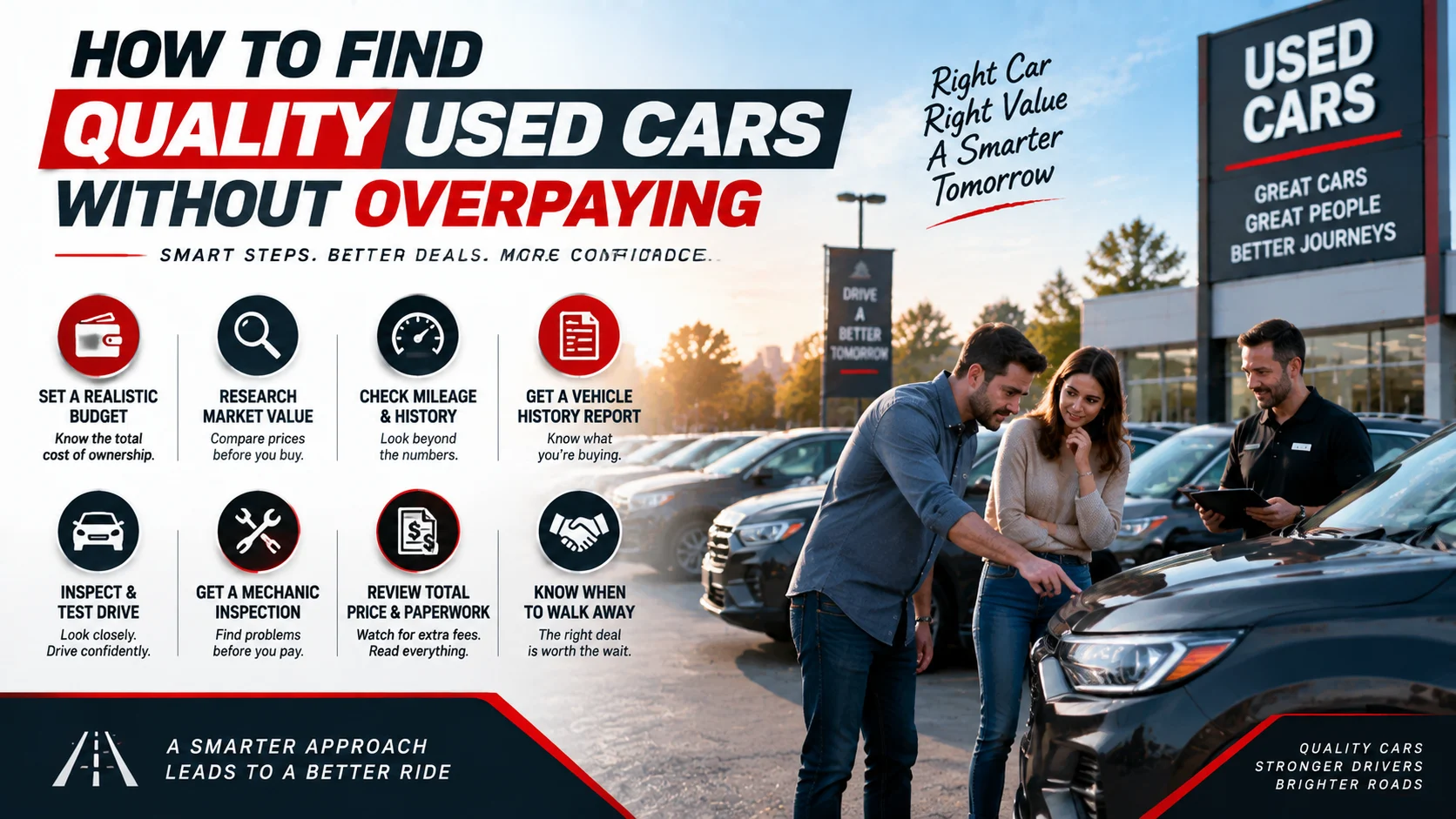
The purchase price is only one part of the cost of owning a car. Before visiting dealerships or comparing vehicles online, determine how much you can comfortably spend each month and how much cash you can put toward a down payment.
Remember to account for expenses such as insurance, fuel, maintenance, registration, taxes, and possible financing charges. A vehicle that appears affordable based on its monthly payment may cost considerably more over several years.
It is also helpful to compare the total purchase price rather than focusing exclusively on monthly payments. A longer loan term can reduce the monthly amount while increasing the total interest paid over the life of the loan.
Decide What Type of Vehicle Fits Your Needs
Think about how you actually use your vehicle. A compact sedan may make sense for drivers who primarily commute and want easy maneuverability, while an SUV may be more practical for families, passengers, or people who frequently carry larger items.
Truck buyers should consider towing and payload requirements rather than simply choosing the largest available engine. Similarly, shoppers considering an electric or hybrid vehicle should think about charging access, driving range, and typical travel patterns.
Making a list of must-have features can prevent unnecessary upgrades from influencing the decision. Consider seating capacity, cargo space, safety technology, infotainment, all-wheel drive, fuel economy, and towing capability before narrowing your choices.
Research Vehicle Reliability and Ownership Costs
Two vehicles with similar purchase prices can have very different long-term costs. Research the maintenance requirements, expected fuel consumption, insurance costs, replacement parts, and reliability history of the models you are considering.
For used vehicles, pay particular attention to maintenance records and common issues associated with the model year. A lower purchase price does not necessarily mean a lower overall cost if the vehicle requires significant repairs shortly after purchase.
It is also worth checking whether replacement tires, brakes, batteries, and other routine components are relatively expensive. These costs can have a meaningful effect on your ownership budget.
Check the Vehicle’s History
A vehicle history report can provide useful information about a used car’s past. Depending on the vehicle and available records, you may find information about reported accidents, title status, mileage, previous use, or other events.
However, a history report should not replace a physical inspection. Kansas consumer guidance recommends asking about prior damage and mechanical problems, checking maintenance information, and having a used vehicle inspected by a mechanic you choose.
Look carefully at the title and make sure the seller has the necessary ownership documents. If a used vehicle has an out-of-state title, additional Kansas inspection requirements may apply before it can be titled and registered.
Take a Thorough Test Drive
A test drive should be more than a quick trip around the block. Use it to evaluate how the vehicle behaves under different driving conditions.
Pay attention to acceleration, braking, steering, suspension, transmission operation, visibility, and cabin noise. Check whether the seats are comfortable and whether controls are easy to reach.
If possible, drive on streets that resemble your normal routes. Try stop-and-go traffic, moderate-speed roads, and areas with hills or uneven pavement. Kansas consumer guidance specifically recommends testing a used vehicle in different conditions, including hills, highways, and stop-and-go traffic.
Also test features you expect to use regularly, including climate controls, backup cameras, infotainment systems, power seats, windows, lights, and driver-assistance technologies.
Have a Used Car Independently Inspected
An independent inspection can identify problems that may not be obvious during a test drive. This is especially important when purchasing an older vehicle or one with substantial mileage.
A qualified mechanic can examine areas such as the engine, transmission, suspension, brakes, tires, steering components, fluid leaks, and electrical systems. The inspection may cost money upfront, but it can provide valuable information before you commit to the purchase.
If the seller will not allow an independent inspection or becomes uncomfortable with a reasonable request to have the vehicle examined, consider that part of your overall decision-making process.
Understand Financing Before Signing
If you plan to finance your purchase, compare financing terms carefully. Look at the annual percentage rate, loan term, total amount financed, and total amount you will repay.
Getting financing information before shopping can give you a better idea of your price range. It can also make it easier to compare an outside financing offer with one available through a dealership.
Avoid choosing a vehicle solely because the monthly payment looks manageable. A longer repayment period can keep the monthly payment lower while increasing the total cost of the loan.
Remember Taxes, Registration, and Other Costs
Kansas vehicle purchases involve more than the advertised vehicle price. Motor vehicle sales are subject to applicable Kansas state and local taxes, and the way those taxes are collected can depend on whether the vehicle is purchased from a dealer or an individual.
Kansas also requires vehicle registration and title applications within specific timeframes. For a new vehicle, the Kansas Department of Revenue states that title and registration applications should be made within 60 days of purchase.
Before finalizing a purchase, ask for a clear breakdown of the vehicle price, taxes, registration-related costs, financing charges, optional products, and other fees.
Review the Paperwork Carefully
Never rush through the final paperwork. Confirm that the vehicle identification number, selling price, mileage, financing information, warranty terms, and other important details are accurate.
Make sure verbal promises are reflected in writing. Kansas consumer guidance recommends getting promises and representations in writing and carefully reviewing optional products such as extended warranties and their costs.
For a used vehicle, review the applicable buyer information and understand whether the vehicle comes with a warranty or is being sold under specific conditions.
Think About Long-Term Practicality
The right vehicle should continue to fit your needs after the excitement of the purchase wears off. Consider how your lifestyle may change during the next several years.
If you expect a larger family, increased commuting, frequent road trips, or recreational activities, those factors may influence the vehicle size and equipment that make sense. Likewise, someone who primarily drives short distances may have different priorities from a driver who regularly travels long distances.
A little planning can help prevent the need to replace a vehicle sooner than expected.
Conclusion
Buying a car in the Wichita area becomes easier when you approach the process with research and a clear budget. Evaluate your transportation needs, compare ownership costs, research vehicle history, take a thorough test drive, and consider an independent inspection when purchasing used. You should also understand financing, taxes, registration requirements, and the paperwork before signing.
The goal is not simply to find a vehicle that looks appealing today. It is to choose one that fits your driving habits, financial situation, and practical needs for years to come. Taking time to compare your options and ask informed questions can make the entire car-buying experience more confident and manageable.