Before you hand over your cash for that Marketplace deal, here’s what sellers really mean.
Quick Answer
TLC stands for “Tender Loving Care.” In used-car listings, it means the vehicle needs some attention — ranging from a simple detail job to potentially serious mechanical repairs. The key is knowing which type of TLC the seller is hiding behind the acronym.
What Does TLC Actually Mean for a Car?
TLC stands for Tender Loving Care. When a seller writes “needs TLC” in a used-car ad, they’re telling you the vehicle isn’t in perfect condition — but they’re being intentionally vague about what’s actually wrong.
Here’s the thing most first-time buyers miss: TLC is a spectrum. On one end, you have a car that just needs a $50 detail and an oil change. On the other end, you have a vehicle with a slipping transmission that’ll cost you more than the car is worth to fix.
Your job as a buyer is to figure out where on that spectrum a specific car falls — before you hand over any money. Let’s break down exactly how to do that.
Cosmetic TLC — The Green Flags (Usually Safe to Buy)

Cosmetic TLC means the car runs and drives fine, but it doesn’t look great. These are surface-level issues that are cheap to fix and don’t affect reliability. If the seller specifies “cosmetic TLC” or you can verify the mechanical condition, these cars can be genuine bargains.
Green Flags — Cosmetic TLC Checklist
- Faded or oxidized paint (fix: $100–$300 polish and wax)
- Stained or dirty interior (fix: $80–$200 professional detail)
- Cloudy or yellowed headlights (fix: $15 restoration kit)
- Minor scratches or small dents (fix: $50–$150 paintless dent repair)
- Worn wiper blades or missing floor mats (fix: under $50)
Mechanical TLC — The Red Flags (Proceed With Extreme Caution)

Mechanical TLC is where “needs a little TLC” becomes seller code for “this car has serious problems I don’t want to pay to fix.” These issues affect the drivability, safety, or lifespan of the vehicle — and they’re almost always expensive.
Red Flags — Walk Away Checklist
- Engine knocking, ticking, or white/blue exhaust smoke ($1,500–$5,000+ repair)
- Transmission slipping, grinding, or delayed shifts ($2,000–$4,000 rebuild)
- Check Engine Light on with no explanation from seller
- Rust on frame rails or structural components (often unfixable)
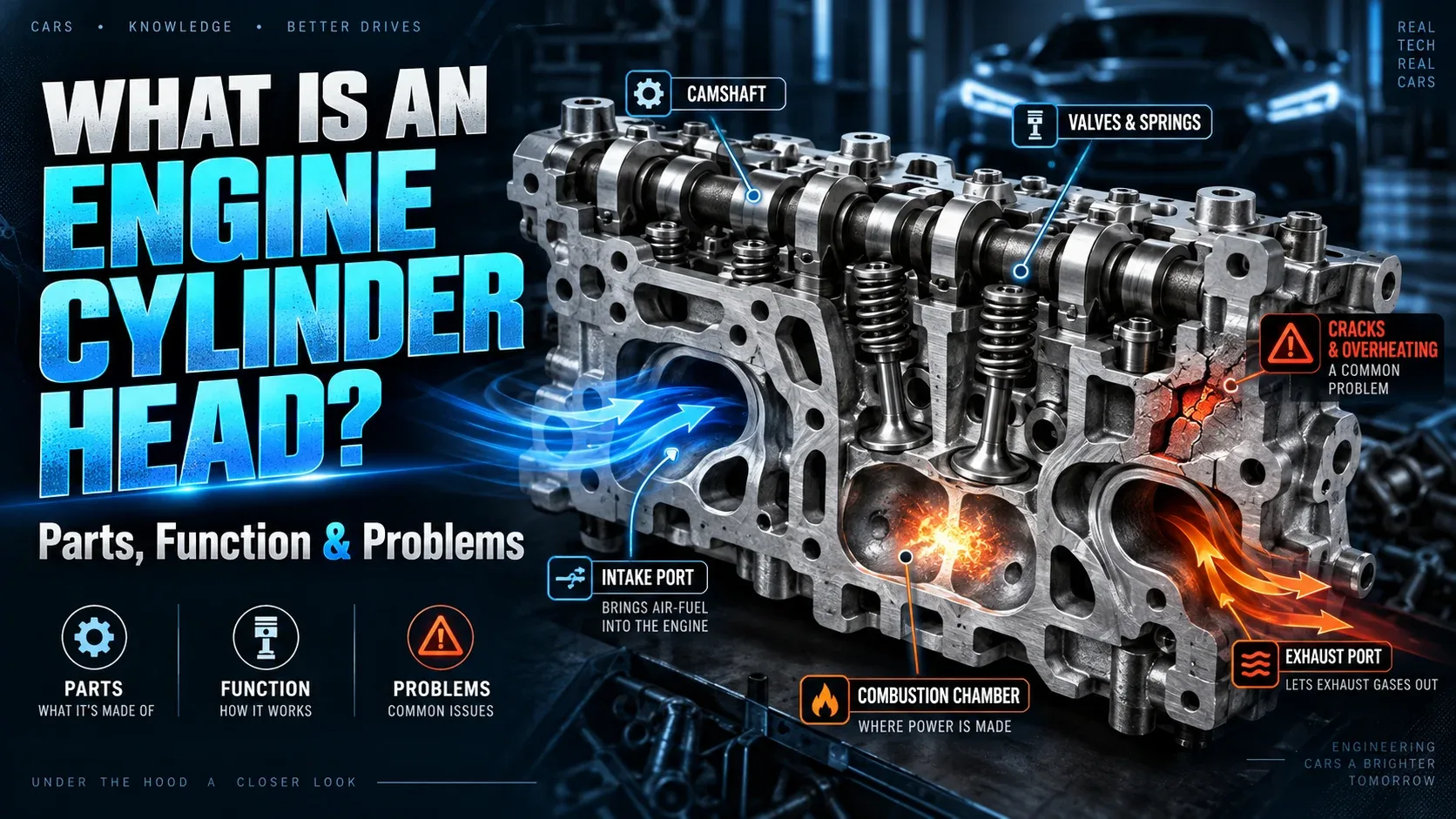
- Overheating issues or coolant leaks (potential head gasket failure: $1,200+)
Seller Phrase Translation Guide
Used-car sellers have their own language. Here’s your cheat sheet for decoding what common phrases actually mean — so you know exactly what you’re walking into.
| What the Seller Says | What It Actually Means | Risk Level |
|---|---|---|
| “Needs a little TLC” | Could mean anything — always ask what specifically needs attention | ⚠️ Medium |
| “Runs and drives” | The engine starts and the car moves, but something else is likely wrong | ⚠️ Medium |
| “Mechanic’s special” | Significant mechanical issue. Priced cheap because repair cost is high | 🚩 High |
| “As-is, no warranty” | Seller knows there’s a problem and refuses liability | 🚩 High |
| “Great project car” | Needs extensive work. Only buy if you have tools and time | 🚩 High |
¿Qué es TLC en un carro?
If you searched “que es TLC en un carro,” the answer is the same: TLC translates to “Cuidado y Cariño” (Tender Loving Care). It means the car needs some attention — either cosmetic fixes or mechanical repairs. Use the checklists above to determine if it’s a good deal or a money pit.
Key Takeaways for Used-Car Shoppers
- 📌 TLC = Tender Loving Care. It means the car needs work — your job is to find out how much.
- 📌 Always ask the seller to specify exactly what needs fixing. If they can’t answer, walk away.
- 📌 Budget $100–$150 for a pre-purchase inspection from an independent mechanic. It’s the best money you’ll ever spend.
- 📌 Cosmetic TLC = potential bargain. Mechanical TLC = potential money pit. Know the difference before you buy.