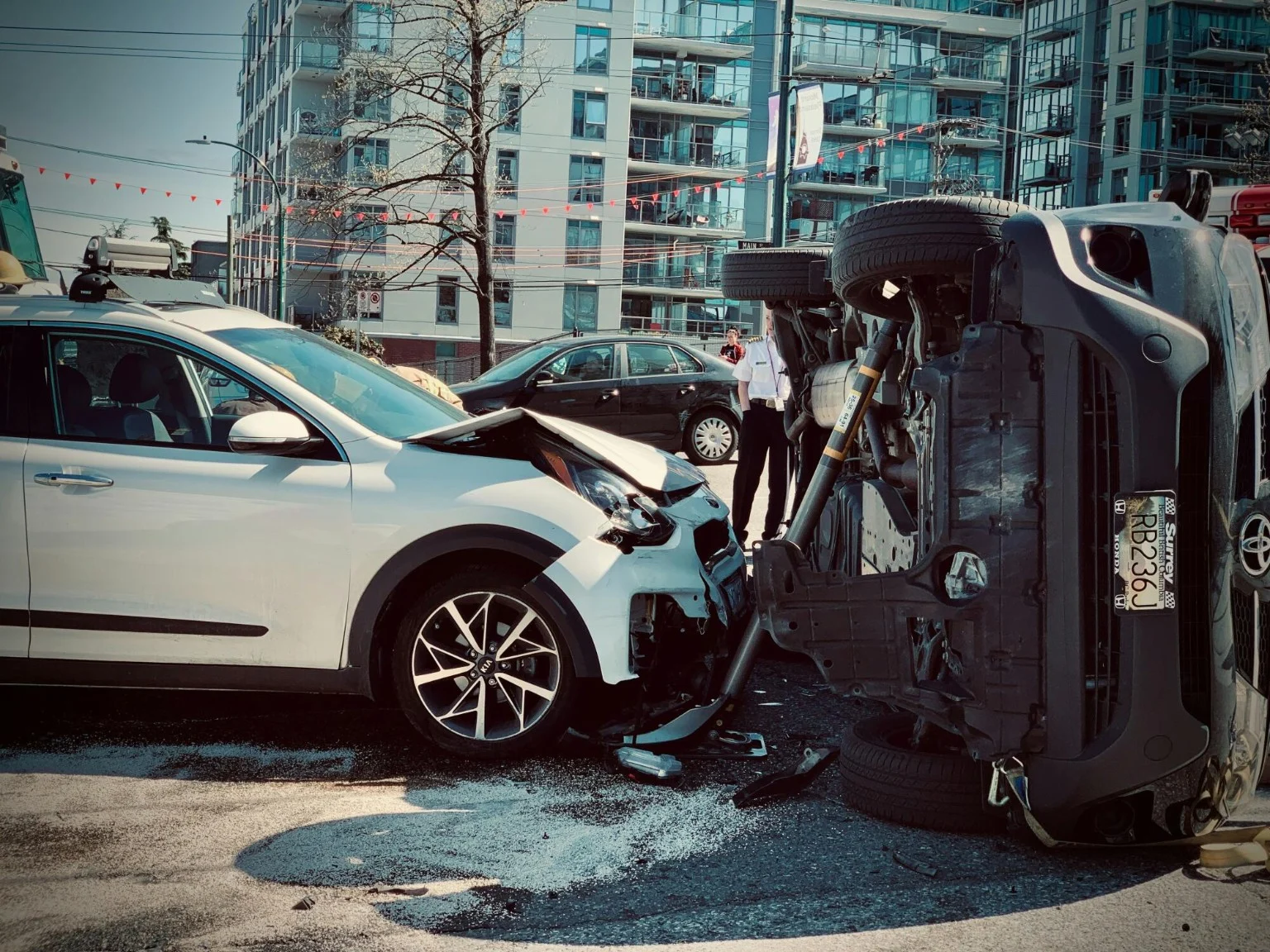
Today’s cars work like computer networks. They record mechanical data on every trip. Damage to the body only shows part of what happened in a serious highway crash.
The car’s computer records what the driver did and how the car reacted in the seconds before a crash. Continue reading to discover everything you need to know!
Securing Vehicle Data With Legal Representation
Crash data can disappear fast when a wrecked car gets towed away. Storage lots often sell totaled cars, and scrap yards might destroy the computer parts before experts can look at them. Moving quickly helps save the data before scrap crews wipe the memory chips.
Early settlement offers from insurance companies often fail to cover serious crash damage that costs more than $10,000. Retaining a trusted car accident lawyer in Joplin, MO, or somewhere local helps drivers issue formal spoliation letters to preserve electronic modules. A quick legal request stops the other side from destroying evidence before techs can copy it.
Once they get a formal notice, insurance companies must keep the car exactly as it was after the crash. Then investigators can check the hardware without worrying about tampering. Keeping these parts gives injured drivers the clear proof they need to back up their claims.
Uncovering Electronic Records From Diagnostic Ports
Crash experts plug handheld tools into a car’s ports to get stored crash data. A federal report said event data recorders record the 20 seconds before a crash, 10 times per second. This high-speed logging gives investigators facts instead of relying on fuzzy driver memories.
The car’s internal computers track throttle, steering, and brake pressure during sudden moves. If a driver says they hit the brake 50 feet early, digital logs show the exact moment the pedal was pressed. Clear digital readings remove guesswork when the two sides disagree about what happened on the road.
Key Information Retrieved From Vehicle Black Boxes
Crash investigators examine multiple hardware channels when reconstructing a severe traffic collision. The car’s computers save details that show what the driver did and how the car acted:
- Vehicle speed metrics
- Brake switch inputs
- Seatbelt buckle sensors
- Steering wheel angle readings
These measurements give crash experts a clear timeline. Hard numbers settle blame disputes when people tell different stories about the crash. Having proof stops insurance adjusters from blaming the wrong driver.
Analyzing Automated Safety Systems After Impact
Many cars now have driving aids that help with lane changes and emergency braking. A government notice said event recorders log when these safety systems turn on. That way, crash avoidance features can be checked.
These records show whether the car’s software stepped in or stayed silent before the crash. When driver-assist features fail, the carmaker or repair tech might share legal blame. Forensic checks help tell driver error from sudden mechanical or electrical failures.
Looking at stored fault codes and sensor readings gives clear facts about how the car performed. Skid marks and crushed body panels only show a small part of what happened.
Diagnostic ports give direct access to data recorded during a crash. Gathering this electronic evidence helps rebuild an accurate picture of the wreck.
Want more info on car safety and crash investigations? Visit our blog for tips on car tech, avoiding accidents, and protecting your rights after a crash.