A soft strip of light travels across a dark green bonnet, revealing a clean curve before the camera reaches the headlamp. For an imagined detailing studio video, I would make that reflection the central action. The car would stay parked in a quiet bay, with a folded cloth on a nearby trolley. There would be no racing sequence and no claim that the generated scene proves the quality of a real customer’s paintwork.
My starting point would be an original photograph of a car I had permission to feature. I would choose a clear three-quarter view with the front wheel, bonnet edge and headlamp all visible. Those features give the shot a stable identity. A tightly cropped photograph of shiny paint might look attractive, but it would provide less information about how the car should hold together as the camera moves.
The brief would suit a detailing business that wanted to explore the mood of a short promotional video before arranging a physical shoot. I would treat the result as a concept, keeping actual before-and-after evidence separate. A real service demonstration should show the real vehicle and real work. Here, the useful question is how light, framing and pace could make a finished car feel carefully presented.
Let the bodywork carry the movement
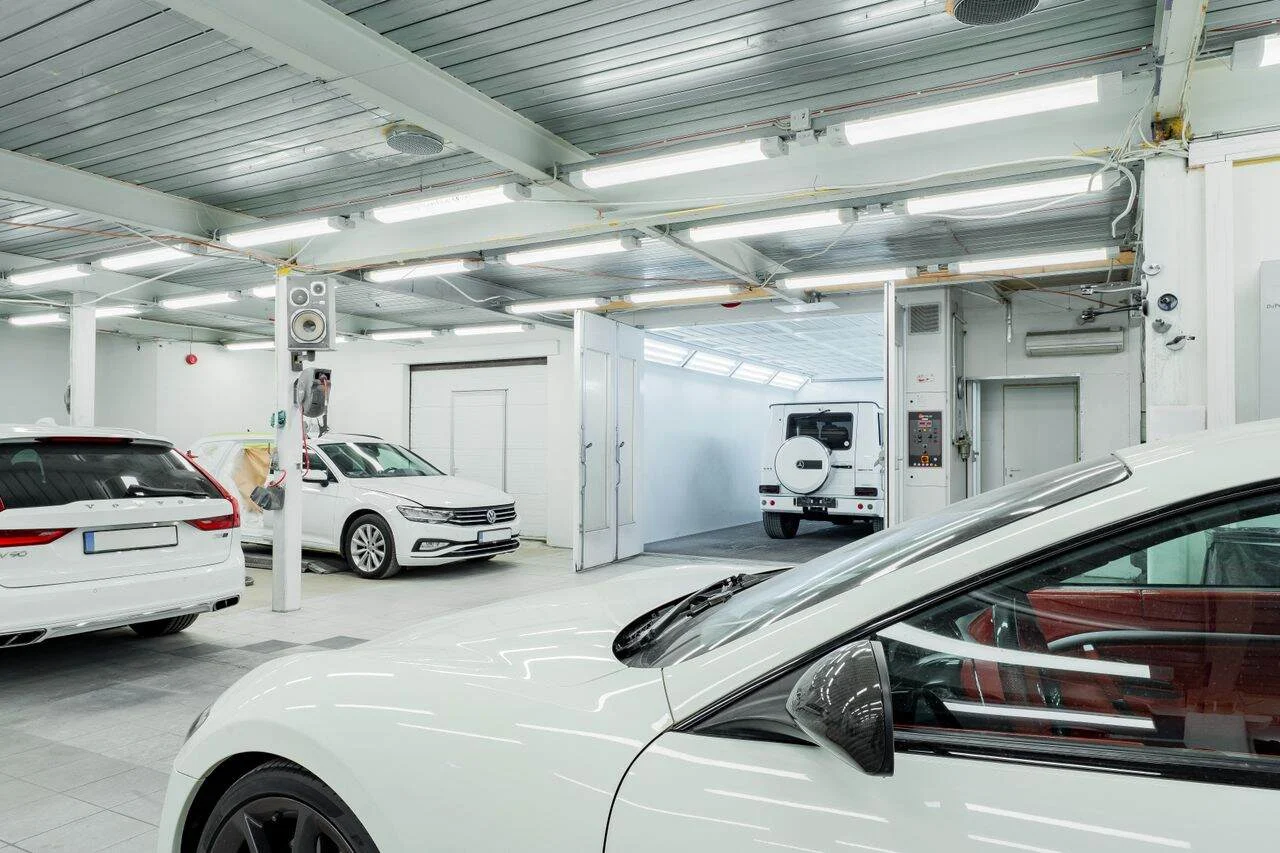
I would position the camera near headlamp height, slightly ahead of the front wheel. From there, a slow lateral move could show the bonnet’s curve without changing the car’s apparent proportions too much. The trolley would remain near the edge of the scene, suggesting a working bay while leaving the bodywork dominant. A plain wall would make reflections easier to read than a busy workshop background.
That controlled relationship between a reference car and a moving camera is the reason seedance 3.0 belongs in this video experiment. It supports text-to-video, image-to-video and multimodal reference-based video generation. I would combine the car photograph with a written camera brief and, if useful, an original motion reference showing a gentle sideways move. Each input would serve the same short automotive shot.
The lighting reference would be deliberately simple: one broad overhead source and a soft side reflection. I would avoid a grid of sharp light bars because any change in their spacing could draw attention away from the car. The intended look would suggest a clean, calm studio rather than an exaggerated showroom. The viewer should notice the curve of the bonnet before noticing the lighting equipment.
A brief that names the camera path
My initial Seedance 3.0 prompt would describe a parked dark green car inside a tidy detailing bay, viewed from the front quarter at headlamp height. The camera would move slowly sideways while a broad reflection slides across the bonnet. The wheels would remain still, the headlamp shape would stay consistent and the folded cloth would remain on the trolley. The shot would end before the camera passed the front wheel.
I would not request a transformation from scratched paint to a flawless finish. That would create a different kind of story and could imply a service result that had never happened. The concept begins with an already clean car and explores presentation. If a future campaign needed genuine restoration footage, the actual detailing process would be filmed and used as its own evidence.
A text-only Seedance 3.0 attempt could help me judge the broad mood, but the reference photograph would become important when the car’s specific design mattered. I would keep the same camera path when comparing versions. Otherwise, an attractive new angle might conceal a problem with the original composition instead of solving it. A useful revision should answer the question that prompted it.
Inspecting the wheel before admiring the shine
On review, I would watch the front wheel and the headlamp first. The wheel should not rotate while the car is parked, and its spokes should not change arrangement as the camera shifts. The headlamp should remain attached to the same body lines. These details anchor the vehicle’s shape; a beautiful reflection would not rescue a shot in which the car itself appears unstable.
If the first Seedance 3.0 result distorted the bonnet near the edge of the frame, I would reduce the lateral movement and give the camera more distance. If the reflection moved too quickly, I would simplify the lighting description and emphasize a broad, slow change. I would make those adjustments separately so I could see whether the problem came from camera motion or the requested light effect.
The background would receive a second pass. A trolley that slides without being touched would be distracting, especially because it sits close to the stationary car. I would remove unnecessary bottles and tools from the concept rather than ask the model to maintain a crowded arrangement. The folded cloth and one clean surface would communicate the studio setting with less visual competition.
Sound that belongs to a parked car
The soundtrack should respect the fact that nothing is driving. I would describe quiet indoor ambience and a restrained room tone, without an engine rev or tire noise. An original ambient recording could help guide that atmosphere as part of the video reference inputs. I would review the generated sound with the image to make sure it did not imply an action absent from the shot.
A musical accent might work when the headlamp comes fully into view, but I would add any licensed campaign music in a separate edit. That would make it easier to time the ending and control volume. Exact business names, service labels and contact details would also be placed in the editing timeline, where spelling and placement could be checked precisely.
From a single reflection to a studio introduction
The finished Seedance 3.0 clip could open a short concept reel, followed by real footage of the studio and its staff. I would give the generated shot enough space at the end for a clean cut, then keep the actual service information grounded in verified material. A clear distinction between concept imagery and real work would let the visual idea support the business without pretending to document a completed job.
Before making additional attempts, I would check the current credit estimate and choose one worthwhile variation, perhaps a slightly higher viewpoint. Seedance 3.0 would be useful here because the creative question remains narrow: how can a moving reflection reveal the shape of a parked car? Keeping that question visible would produce a more coherent automotive video than adding spectacle to every frame.