Collision repair follows a precise sequence: technicians assess hidden damage, realign the vehicle’s structure, repair or replace panels, prepare surfaces, and refinish the body. Each stage depends on the last, so technicians must measure accurately and make sound repair decisions before fitting new panels or applying paint.
This guide breaks down each technical stage and highlights the essential skills from welding to refinishing required to bring a vehicle back to factory standards.
Assessing Collision Damage
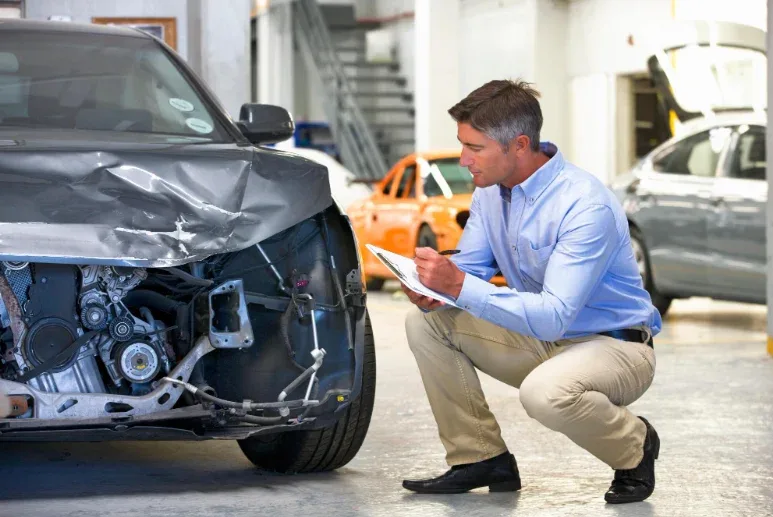
Before a technician orders parts or starts pulling metal, they need to know what the collision actually damaged. A crushed panel may hide a shifted frame or unibody, so the first look is only the beginning. Technicians compare panel gaps, operate doors, and inspect nearby areas for clues that parts have moved.
A thorough assessment helps the team identify parts to repair or replace and choose suitable methods and materials. Photos and measurements can document the damage and support the repair plan. Technicians also note anything that needs closer inspection once trim or damaged panels come off, helping the repair team avoid missed issues after disassembly begins.
The initial check often focuses on:
- Bent or cracked panels
- Uneven gaps or sticking doors
- Damage behind outer panels
Managing the Repair Workflow
A collision repair job also involves organizing details so work moves smoothly through the shop. Technicians and estimators may document visible damage, list needed parts, track completed steps, and use a shared schedule to coordinate handoffs and keep the next repair stage moving. Clear records help the team see what has been approved, what remains, and who is responsible for each task.
Sometimes disassembly reveals hidden damage, so the shop may need to update the estimate, explain the changes, and get approval before proceeding. Coordinating parts orders and keeping the vehicle owner informed can prevent confusion about timing, costs, or next steps. This behind-the-scenes work relies on communication and attention to detail to keep everyone aligned as the repair progresses.
Repairing Structure and Replacing Panels
Structural repairs come before cosmetic work because outer panels need a sound, properly aligned base. Technicians use specialized measuring equipment to compare a vehicle’s frame against factory specifications and hydraulic pullers to restore shifted sections. Precision is essential at this stage—even minor misalignments can prevent replacement panels from fitting properly or compromise vehicle safety in a future crash.
When a panel is damaged beyond repair, technicians remove it, treat the exposed metal, and prep the structural framework. Depending on manufacturer specifications, the replacement is secured using welding, structural rivets, or high-strength adhesives.
Because improperly executed structural welds or adhesive bonds pose severe safety risks, mastering these techniques demands supervised experience on live frame-measuring systems. Enrolling in a comprehensive collision repair program, like the hands-on training at Pennco Tech, allows student technicians to build real-world experience with structural alignment, welding, and panel attachment under certified supervision before performing client repairs.
Shaping Panels and Refinishing
Some dents can be repaired without replacing the whole panel. Technicians use bodywork tools to reshape the metal, then apply filler where needed and sand the surface smooth. This takes a practiced eye because small ridges and dips can show up clearly once paint is applied.
Surface preparation helps paint adhere evenly and creates a consistent finish. WorldSkills’ 2024 autobody repair standards describe panel alignment, joining metal, and preparing surfaces for refinishing as part of the trade. Before painting, technicians clean the repair area and mask nearby glass, trim, and panels, then use a test panel to confirm an accurate color match.
The refinishing stage includes:
- Applying primer to prepare the surface
- Matching paint to the vehicle’s color
- Painting in controlled layers and checking the finish
Skills That Support a Collision Repair Career
Good collision repair is part craft, part detective work. A technician may need to interpret repair instructions, measure damaged areas, and decide whether a panel can be reshaped or should be replaced. Safe tool use and patience matter, because small errors in alignment or surface preparation can still show after the paint goes on.
It’s more than welding and pounding out dents. Technicians shape metal, prepare surfaces for refinishing, and confirm repaired panels fit and function correctly, shifting between careful measuring and practical problem-solving as needed, while following repair procedures and maintaining consistent shop quality standards. Hands-on training gives beginners room to practice, build confidence with tools, and see how structural repairs, bodywork, and refinishing come together in a finished job.
Master the Craft of Collision Repair
Restoring a damaged vehicle requires technical precision, patience, and a methodical workflow. Because modern vehicles demand strict adherence to factory specifications, mastering this trade takes more than basic tools—it requires structured, hands-on practice. Exploring a professional collision repair program can provide the supervised training needed to turn these foundational skills into a rewarding career.