Choosing a family-friendly car is about more than finding enough seats. Families need a vehicle that makes school drop-offs, grocery shopping, daily commutes, weekend activities, and longer road trips comfortable and convenient. For drivers in Grandville, Michigan, the right choice should also account for changing weather, practical storage, safety features, and ongoing ownership costs. With so many sedans, SUVs, and minivans available, comparing options carefully can help you find a vehicle that fits your family’s routine. Exploring available vehicles through car dealerships in Grandville MI can be a useful starting point. By focusing on five important considerations, you can make a more informed decision and choose a car that serves your family well for years to come.
1. Choose a Vehicle With Enough Space for Your Family
Interior space should be one of the first things you consider when shopping for a family car. Think about how many passengers you regularly carry and whether your family may need additional room in the coming years.
A sedan may work well for a small family that mainly travels around town. Many sedans offer comfortable seating, a separate trunk, and manageable dimensions for parking in busy shopping areas. However, families with multiple children, bulky strollers, or frequent passengers may benefit from a larger vehicle.
Compact and midsize SUVs provide a useful balance of passenger space and cargo capacity. Larger SUVs and minivans may be more suitable for households that regularly transport several children, relatives, or sports equipment.
When comparing vehicles, check rear-seat legroom, door openings, headroom, and cargo space. If you use child safety seats, bring them along to see how easily they fit and whether passengers can still sit comfortably nearby.
Consider your family’s future needs, too. A vehicle that works for two adults and one child today may feel cramped if your household grows or your activities change.
2. Make Safety a Top Priority
Safety is essential when selecting a vehicle for everyday family transportation. Modern vehicles can offer a range of features designed to help drivers stay aware of their surroundings and respond to potential hazards.
Depending on the model year and trim, useful features may include automatic emergency braking, blind-spot monitoring, lane-departure warnings, rear cross-traffic alerts, and rearview cameras. These systems can provide additional assistance, but they do not replace attentive driving.
Look into independent crash-test ratings for the specific vehicle year you are considering. Safety equipment can vary between model years and trim levels, so verify that the vehicle has the features you want rather than relying on the model name alone.
Families with young children should also check for accessible child-seat anchors, rear door child-safety locks, and suitable seating arrangements. Make sure your child’s car seat can be installed correctly according to both the vehicle and car-seat manuals.
If you are considering a pre-owned car, review its vehicle history and check for unresolved safety recalls. A careful inspection can help you identify concerns before committing to a purchase.
3. Consider Fuel Economy and Everyday Running Costs
A family vehicle often covers many miles through commuting, school runs, errands, and weekend outings. Over time, fuel expenses can make a noticeable difference to your household budget.
Compare the estimated fuel economy of vehicles on your shortlist. Smaller sedans and compact SUVs may be economical choices for families that spend much of their time driving around town. Hybrid vehicles can also be worth considering, particularly if your routine includes frequent stop-and-go traffic.
However, fuel economy is only one part of the total ownership cost. Insurance premiums, maintenance, tire replacement, repairs, registration, and financing expenses should also influence your decision.
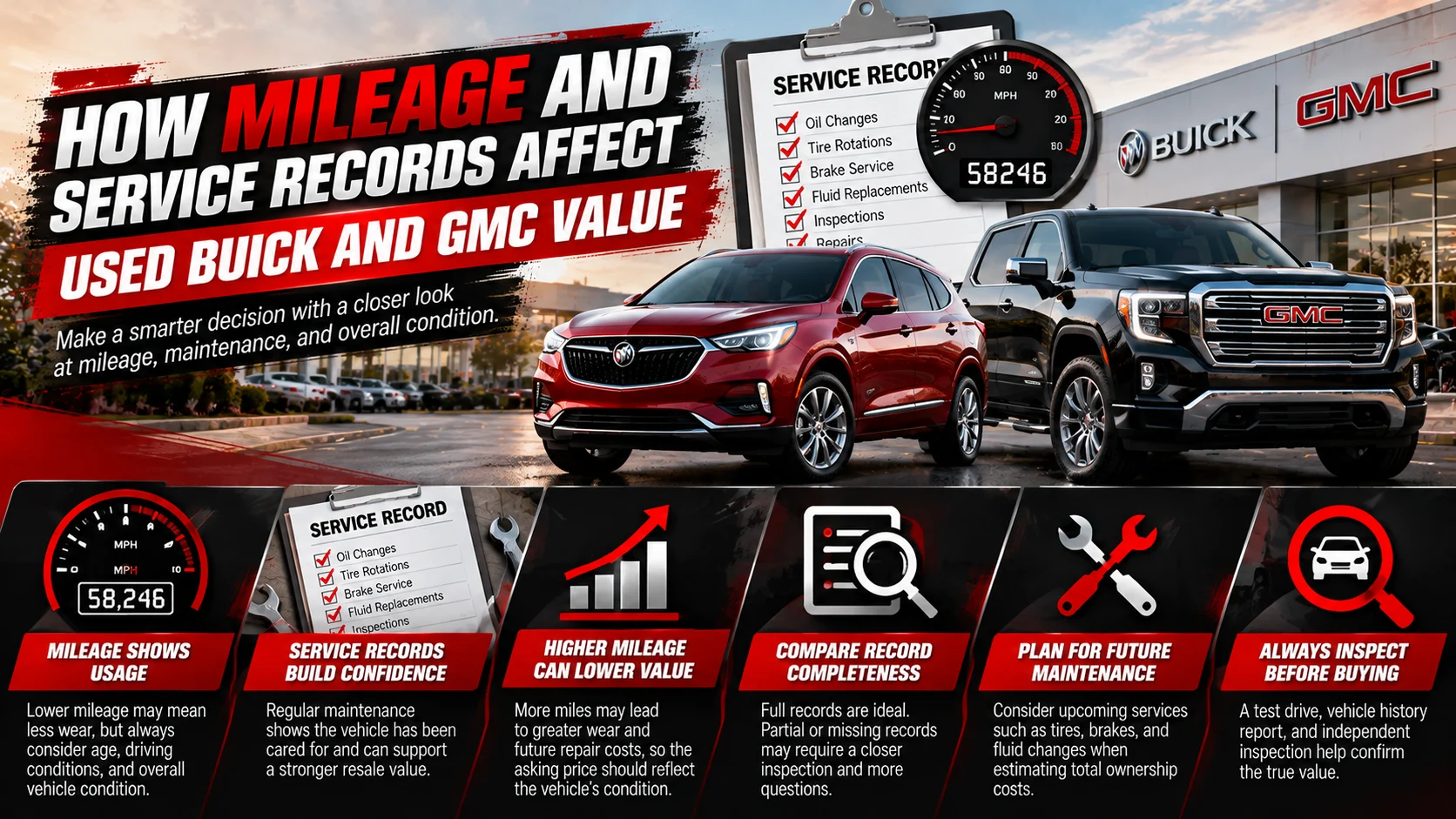
For pre-owned vehicles, pay attention to mileage and maintenance records. A lower-priced car may require repairs or maintenance soon after purchase, while a well-maintained vehicle with a higher asking price could offer better overall value.
Before visiting a dealership, establish a realistic budget that includes both the purchase price and ongoing expenses. If you plan to finance the vehicle, compare interest rates, loan terms, and total repayment amounts rather than focusing exclusively on the monthly payment.
4. Look for Comfort and Convenience Features
A family car should make everyday travel easier for both drivers and passengers. Small conveniences can become especially valuable when you use the vehicle several times a day.
Start with the features that match your routine. Smartphone connectivity can help you access navigation and music, while multiple charging ports can keep devices powered during longer trips. Automatic climate control, adjustable seating, and a comfortable driving position can make daily commutes more pleasant.
Families may also appreciate features such as keyless entry, remote start, parking sensors, and a power liftgate. Depending on the vehicle, these options can simplify loading groceries, securing children in their seats, or getting comfortable before a winter drive.
Storage deserves attention as well. Look for cupholders, door pockets, a useful center console, and enough cargo space for backpacks, shopping bags, sports equipment, or a stroller.
Do not assume that every vehicle includes every convenience feature. Equipment often varies by trim and model year, especially in the used-car market.
During a test drive, check the controls, visibility, seat comfort, heating, air conditioning, and infotainment system. A practical layout can make the vehicle more enjoyable to use every day.
5. Prepare for Grandville’s Weather and Driving Conditions
Michigan weather can change considerably throughout the year, so families should consider how a vehicle will handle local driving conditions. Winter can bring snow, ice, and slushy roads, while rain and changing temperatures can affect visibility and traction.
Depending on your needs, an SUV with all-wheel drive may provide additional traction in certain conditions. However, all-wheel drive does not eliminate the risk of skidding or shorten braking distances on ice. Appropriate tires, safe speeds, and careful driving remain essential.
Front-wheel-drive sedans and SUVs can also be suitable for many families, particularly when equipped with quality tires appropriate for the season. Consider how often you travel in poor weather, whether your routes include steep roads, and how frequently you drive outside well-maintained urban areas.
If you are purchasing a used vehicle, inspect the tires, brakes, battery, windshield wipers, and heating system. Ask about previous maintenance and check for corrosion or damage that could affect the vehicle’s condition.
A test drive should include the types of roads you use regularly, where practical. Pay attention to visibility, ride comfort, braking response, and ease of parking. The best vehicle is one you can operate confidently in the conditions you commonly encounter.
Conclusion
Finding a family-friendly car for everyday life in Grandville becomes easier when you focus on your household’s practical needs. Start by evaluating passenger and cargo space, prioritize safety, compare fuel economy and ownership costs, and look for features that simplify daily routines. It is also important to consider Michigan’s changing weather and make sure the vehicle is suitable for your typical driving conditions. Before making a final decision, compare several models, review vehicle histories when applicable, and take your leading choices for a thorough test drive. By balancing comfort, safety, practicality, and affordability, you can find a family vehicle that supports your everyday responsibilities and makes time on the road more enjoyable.