
Buying a vehicle is a major decision, and taking the time to prepare can make the experience much easier. Wellington drivers have different transportation needs depending on their daily commute, family size, budget, and lifestyle. Whether you are looking for a practical commuter car, a family SUV, or a capable truck, it helps to compare your options carefully before making a decision. Exploring available models and asking questions at car dealers Wellington can be one part of the research process, but knowing what to evaluate before and during the purchase is equally important.
1. Set a Complete Vehicle Budget
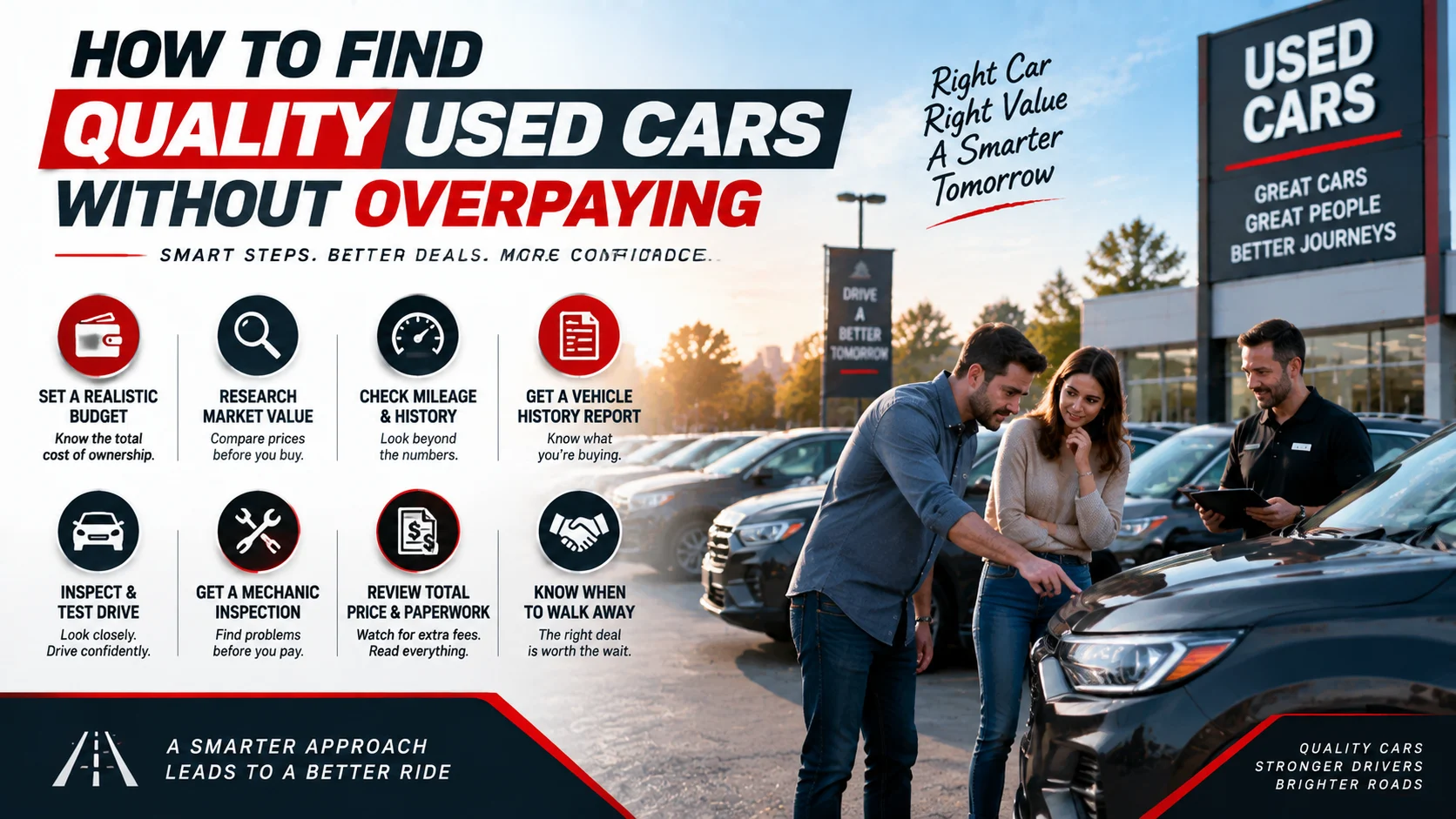
One of the first steps in car shopping is determining how much you can realistically afford. Instead of focusing only on the advertised price or monthly payment, consider the complete cost of ownership.
Your budget should include the vehicle’s purchase price, financing costs, insurance, fuel, routine maintenance, registration, taxes, and unexpected repairs. A vehicle with a slightly higher purchase price may sometimes have lower long-term operating expenses, while a less expensive vehicle could require more frequent maintenance.
If you plan to finance your purchase, compare the loan’s interest rate, repayment period, and total amount paid over time. A longer loan term can produce a lower monthly payment, but it may increase the total interest you pay.
It is also useful to establish a maximum purchase price before visiting a dealership. Having a clear limit can help you focus on vehicles that fit your financial situation rather than becoming distracted by features that push the vehicle beyond your budget.
2. Think About How You Actually Drive
The best vehicle for one driver may not be the right choice for another. Consider your normal driving habits before narrowing down your options.
If most of your driving consists of commuting and errands, a smaller car or efficient crossover may provide the practicality you need. Families may prioritize passenger space, cargo capacity, and easy access to the rear seats. Drivers who regularly transport equipment or tow trailers may need a truck or SUV with appropriate towing capability.
Also think about how many miles you typically drive each year. High-mileage commuters may want to place greater emphasis on fuel economy, comfort, and maintenance costs. Someone who drives less frequently may have different priorities.
Making a list of essential features can simplify the shopping process. Separate must-have features from items that would simply be nice to have. This approach helps prevent unnecessary upgrades from influencing your final decision.
3. Compare Vehicles Beyond the Sticker Price
A vehicle’s advertised price provides only part of the information you need. Two models with similar prices can have different ownership costs, equipment levels, warranties, fuel requirements, and maintenance needs.
When comparing vehicles, look at factors such as fuel economy, standard safety equipment, cargo capacity, seating, available technology, warranty coverage, and expected maintenance. If you are comparing new and used vehicles, consider depreciation as well.
For used vehicles, mileage and condition are particularly important. A vehicle with higher mileage is not automatically a poor choice, but it should be evaluated based on its maintenance history and overall condition. Ask whether service records are available and investigate any reported accidents or previous damage.
You should also compare different model years carefully. Features, powertrains, safety equipment, and technology can change from one model year to another, so the newest vehicle is not necessarily the only option worth considering.
4. Take Your Time With the Test Drive
A test drive should give you an opportunity to determine whether the vehicle actually fits your needs. Rather than concentrating only on appearance, pay attention to how the vehicle behaves and how comfortable you feel behind the wheel.
Test acceleration, braking, steering, and ride quality. Listen for unusual noises and notice whether the transmission shifts smoothly. Check visibility from the driver’s seat and make sure the mirrors can be adjusted properly.
If possible, drive through several types of roads. Stop-and-go traffic can help you evaluate low-speed behavior, while a faster road can give you a better idea of highway comfort and stability.
Use the test drive to evaluate everyday practicality as well. Try the climate controls, infotainment system, backup camera, seat adjustments, and other features you expect to use regularly.
If you are shopping for a family vehicle, check the rear seating area and cargo space. Make sure child seats, luggage, groceries, sports equipment, or other frequently transported items can fit comfortably.
5. Understand the Paperwork and Additional Costs
The final stage of buying a vehicle involves more than signing a purchase agreement. Wellington drivers should understand the taxes, registration requirements, financing terms, fees, and other costs associated with the transaction.
Kansas considers the sale or exchange of motor vehicles a taxable transaction. When purchasing from a registered Kansas dealer, sales tax is generally collected by the dealer. The applicable state and local tax treatment can depend on the location of the dealership and the buyer’s registration address.
Registration and title requirements should also be part of your planning. The Kansas Department of Revenue states that applications for title and registration generally need to be made within 60 days of purchasing a new or used vehicle. Proof of insurance and other documentation may also be required.
Before signing, review the purchase agreement carefully. Check the vehicle price, financing terms, trade-in value if applicable, taxes, fees, optional products, and any warranties or service agreements.
Do not hesitate to ask for clarification about anything you do not understand. If a particular fee or optional product is unfamiliar, ask what it covers and whether it is required.
Check a Used Vehicle’s History and Condition
If you are considering a used vehicle, spend additional time researching its history. A vehicle history report can provide useful information about reported accidents, title status, mileage records, and other events.
However, a history report should not replace a professional inspection. Consider having an independent mechanic examine the vehicle, particularly when buying an older model or one with significant mileage.
Look at the tires, brakes, lights, exterior panels, interior condition, fluid levels, and engine compartment. Watch for signs of previous repairs or inconsistent wear.
Ask about routine maintenance as well. Oil changes, tire rotations, brake service, battery replacement, and other maintenance can provide insight into how the vehicle was cared for.
Consider Your Long-Term Needs
Car shopping should not be based entirely on what you need today. Think about how your transportation requirements could change over the next several years.
A small sedan might work well for a single driver today, but a growing family could eventually require more passenger and cargo space. Similarly, someone who occasionally tows a trailer may discover that a vehicle without adequate towing capacity becomes inconvenient.
Consider expected mileage, family changes, work requirements, hobbies, road trips, and other activities that could affect your vehicle needs. Choosing a vehicle with some flexibility can help you avoid replacing it sooner than expected.
Avoid Making a Rushed Decision
A vehicle purchase can be exciting, but rushing can make it harder to evaluate your options objectively. Give yourself enough time to compare multiple vehicles and review the numbers.
If you are unsure about a particular model, research it further. Compare similar vehicles, read the specifications, check ownership costs, and consider whether the features justify the price.
It can also help to make a checklist before shopping. Write down your budget, preferred body style, required features, expected mileage, and other priorities. Bring the list with you so that the decision stays focused on your actual needs.
Conclusion
Car shopping becomes much easier when you approach it with a clear plan. Wellington drivers should begin by establishing a realistic budget, then consider how they use their vehicle and compare models based on more than their purchase prices.
Taking a thorough test drive, researching used vehicles, reviewing ownership costs, and carefully checking paperwork can also help reduce surprises after the purchase. Kansas buyers should pay attention to applicable taxes, title, and registration requirements as part of their overall budget.
Most importantly, take your time and ask questions. A thoughtful comparison can help you select a vehicle that fits your budget, driving habits, and long-term needs while making the car-buying process more straightforward and informed.