
Buying a used vehicle can be a practical way to get dependable transportation while keeping your budget under control. However, a used car’s appearance and price do not tell the whole story. Before making a commitment, buyers should investigate the vehicle’s history, mechanical condition, paperwork, mileage, and inspection status. If you are researching used cars Vermont, asking the right questions can help you identify potential problems and make a more informed purchase.
Vermont also has specific requirements concerning titles, odometer disclosures, inspections, and used-vehicle sales. The Vermont Department of Motor Vehicles recommends checking documentation and vehicle history and having a qualified mechanic inspect the vehicle before purchase.
1. What Is the Vehicle’s Complete History?
One of the first questions to ask is, “Can you provide the vehicle’s complete history?” A used car may have changed owners several times, been involved in an accident, or received significant repairs that are not obvious from a visual inspection.
Ask whether the vehicle has ever been involved in a collision, flood, fire, or other major incident. You should also ask whether it has ever been declared totaled, salvaged, rebuilt, or reconstructed.
A vehicle history report from a reputable provider can help reveal reported accidents, title brands, mileage records, and other events. Vermont DMV also recommends using services such as Carfax or AutoCheck as part of the research process. However, the Vermont Attorney General’s Office cautions that vehicle history reports do not contain complete records for every vehicle.
For that reason, do not rely on the report alone. Compare it with the title, maintenance records, inspection information, and the seller’s answers.
2. Can I See the Title and Verify the VIN?
The vehicle’s paperwork is just as important as its physical condition. Ask the seller to show you the title and compare the vehicle identification number, or VIN, with the VIN displayed on the vehicle.
Check that the seller’s information and ownership details are consistent with the documentation. Also look for title brands or other indications that the vehicle was previously salvaged, rebuilt, flooded, or otherwise significantly damaged.
Vermont DMV advises buyers to see the vehicle title before purchasing. For previously titled used vehicles, the documentation should establish the appropriate chain of ownership, and listed liens generally need to be released.
Buyers should also understand that Vermont’s title rules can vary depending on the vehicle’s model year and registration history. For example, certain older vehicles may use registration documentation rather than a Vermont title.
If anything about the title or VIN seems inconsistent, pause the transaction until the discrepancy is explained and verified.
3. Is the Mileage Accurate?
Mileage is one of the most important factors when evaluating a used car because it can influence expected wear, maintenance needs, and value. Ask the seller directly whether the displayed mileage is accurate and whether they have documentation supporting the reading.
Look for consistency between the odometer, maintenance invoices, inspection records, and vehicle history report. A significant unexplained gap between recorded mileage events can be a warning sign.
Vermont requires odometer disclosure for applicable vehicles, including model-year 2011 and newer vehicles during the federally specified disclosure period. The state’s odometer disclosure form requires the seller to indicate whether the displayed mileage reflects actual mileage or whether there is an odometer discrepancy.
Mileage should therefore never be treated as just a number on the dashboard. It should be supported by documentation and consistent with the vehicle’s overall condition.
4. Can I Have the Car Inspected by an Independent Mechanic?
A test drive can reveal a great deal, but it cannot replace a professional mechanical inspection. Ask the seller whether you can take the vehicle to an independent mechanic of your choice before completing the purchase.
A qualified technician can examine areas that are difficult for an average buyer to evaluate, including the brakes, suspension, steering, engine, transmission, tires, fluids, electrical components, and signs of previous repairs.
This is especially important when purchasing an older or higher-mileage vehicle. A car may look clean and drive smoothly while still having problems that could become expensive later.
Vermont DMV specifically recommends having a properly trained technician inspect a used vehicle before purchase. Vermont’s current dealer disclosure requirements also recognize a buyer’s right to have a used vehicle inspected by an independent qualified mechanic at the buyer’s expense.
If a seller refuses a reasonable independent inspection, ask why. Their response can provide useful information about the transaction.
5. What Are the Inspection, Warranty, and Sale Conditions?
Before signing anything, ask about the vehicle’s current inspection status, warranty coverage, and exact terms of the sale.
If the vehicle has a Vermont inspection sticker, verify that it belongs to the vehicle and check its validity. You should also ask when the vehicle was last inspected and whether any repairs were necessary to pass inspection.
For dealer sales, Vermont’s current requirements include written disclosure concerning the most recent inspection, when the inspection expires, whether the dealer performed the inspection, and whether the vehicle is being sold without a valid inspection sticker or with an out-of-state sticker.
You should also ask, “Is this vehicle being sold as-is, or does it include a warranty?” An as-is transaction can leave the buyer with limited recourse if a problem appears after the sale. The Vermont Attorney General’s Office specifically advises consumers to review warranty terms carefully and understand what an as-is sale means.
Finally, make sure you understand the purchase price, fees, taxes, financing terms if applicable, and paperwork you will receive. For a private sale, Vermont DMV lists a properly assigned title, bill of sale, and applicable odometer disclosure among the documents needed for registration.
Other Details Worth Checking Before Buying
The five questions above cover the major areas, but a careful buyer should also take time for a thorough test drive. Pay attention to unusual noises, vibrations, warning lights, braking behavior, steering response, and transmission performance.
Check the interior and exterior for signs of water damage, mismatched paint, uneven panel gaps, excessive rust, worn upholstery, or unusual odors. These details may help identify previous damage or neglect.
It is also useful to ask for maintenance records. Regular oil changes, brake work, tire replacements, and scheduled maintenance can provide evidence that the vehicle received appropriate care.
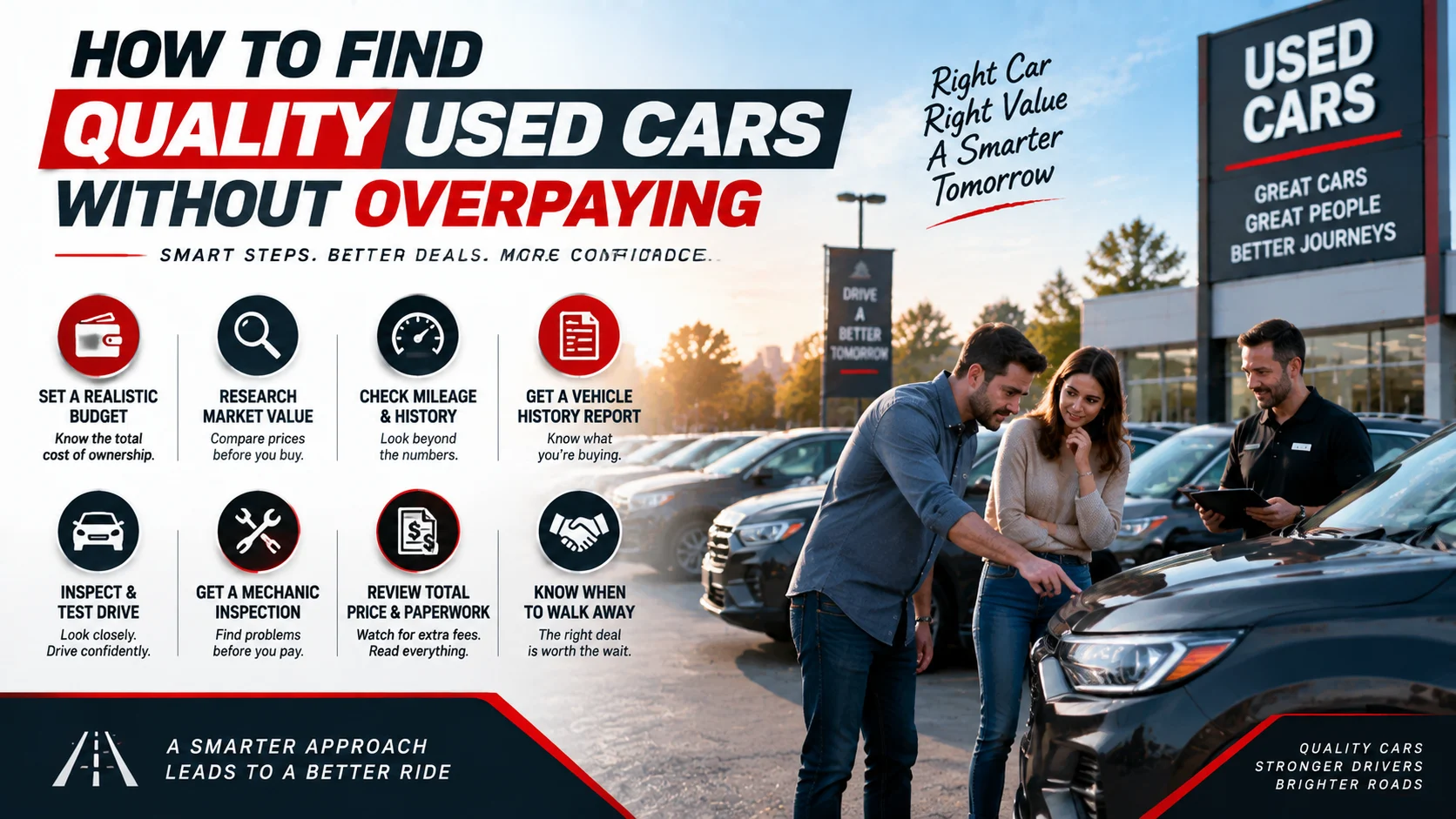
Finally, compare several similar vehicles before deciding on one. Looking at multiple options can help you understand typical pricing and determine whether a particular vehicle’s condition and history justify its asking price.
Conclusion
Buying a used car in Vermont involves more than finding an attractive vehicle at an appealing price. Asking detailed questions about the vehicle’s history, title, mileage, mechanical condition, inspection status, and warranty can help you uncover potential concerns before completing the transaction.
Take time to verify the paperwork, review available history records, arrange an independent inspection, and understand the terms of the sale. A few extra questions before signing the paperwork can make the used-car buying process more transparent and help you choose a vehicle that better matches your transportation needs and budget.