Your car usually gives you warnings before a small issue turns into a budget-crushing repair. You just have to catch them early. If you drive around Buford, where daily commutes, errands, and highway runs can stack up quickly, paying attention matters. Heat, stop-and-go traffic, and uneven road wear can all speed up trouble. A little awareness helps you avoid breakdowns, missed plans, and that classic moment when your dashboard suddenly looks like a holiday display.
Strange Noises Are Rarely Harmless
Cars are noisy machines, but there’s a big difference between normal engine sound and a new clunk, squeal, or grind. If you hear a high-pitched squeak when braking, your brake pads may be wearing thin. A grinding noise can point to metal-on-metal contact, which is bad news for both safety and repair costs.
Pay attention to when the sound happens:
– During braking
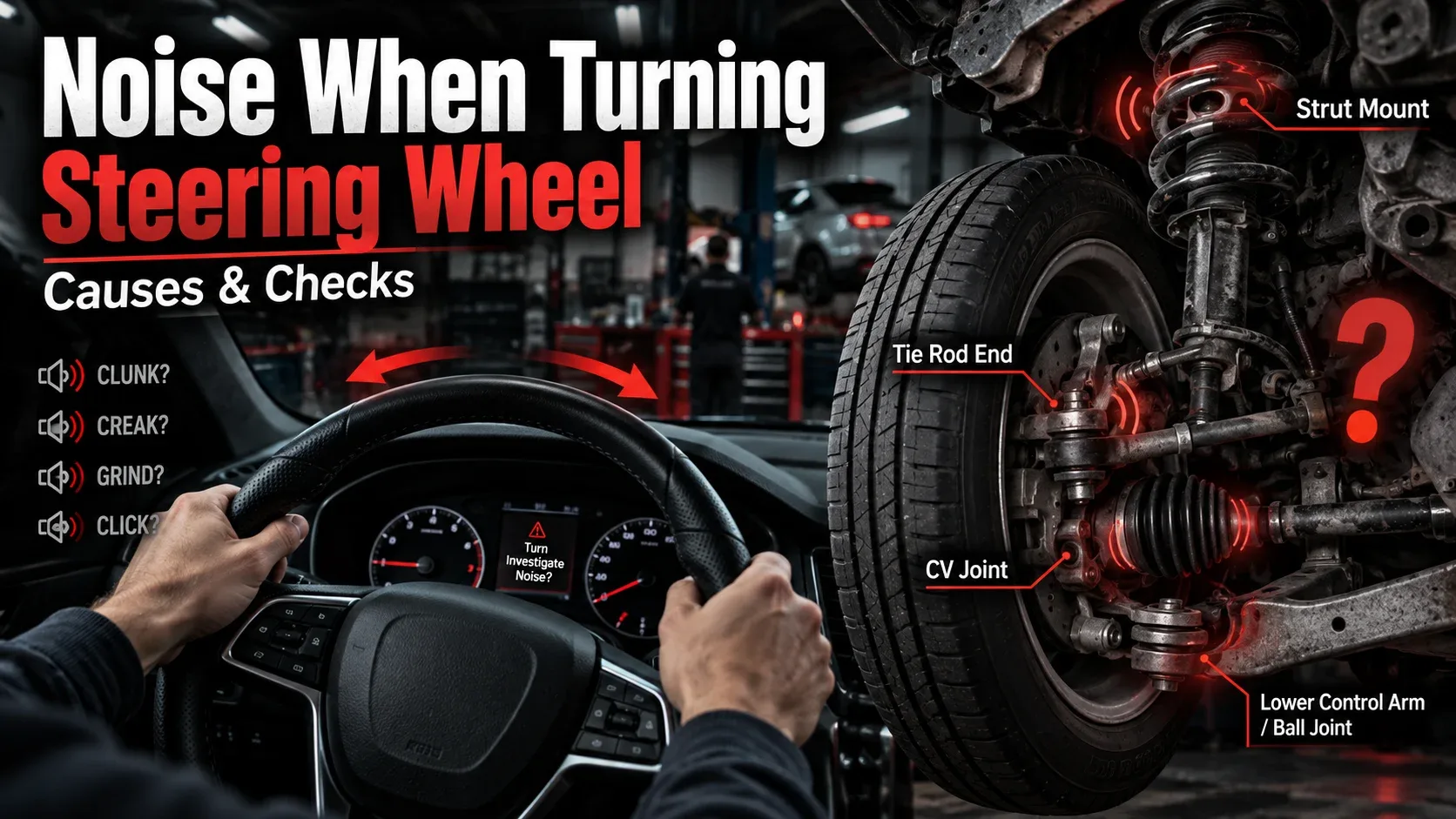
– While turning
– When accelerating
– Right after startup
– At highway speeds
Those details help a technician narrow down the problem faster. A clicking sound while turning might suggest a CV joint issue. A rattling under the car could be a loose exhaust component. None of these problems fix themselves, no matter how optimistic you feel on a Tuesday afternoon.
Fluid Leaks Tell You a Lot About What’s Going Wrong
Your car depends on several fluids to stay alive and cooperative. When one starts leaking, your vehicle often leaves clues on the driveway or parking spot. You don’t need to be a master mechanic to notice that something colorful is dripping where it shouldn’t.
Here’s a quick cheat sheet:
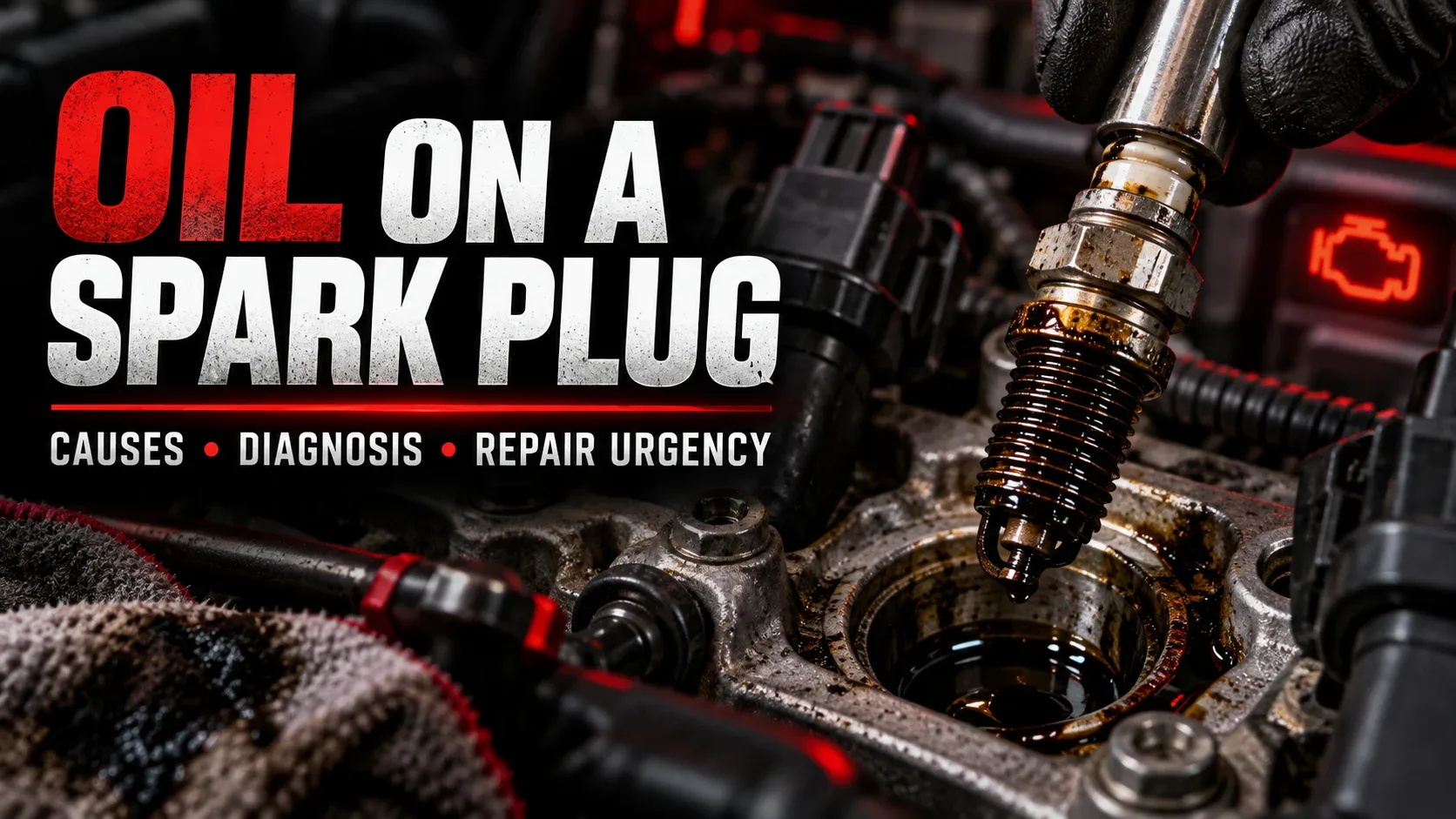
– Black or brown fluid may be engine oil
– Green, orange, or pink may be coolant
– Red fluid may be transmission fluid
– Clear fluid could be water from A/C condensation
– Yellowish fluid may be brake fluid
Brake fluid and coolant leaks deserve quick attention. Oil leaks can also become serious if ignored long enough. If you’re not sure what you’re seeing, having a trusted local shop inspect it is the smart move. Friendly Automotive in Buford provides the balance of accurate diagnostics, preventive maintenance, and practical repair advice that helps drivers keep their vehicles running reliably.
Warning Lights Shouldn’t Be Treated Like Background Decor
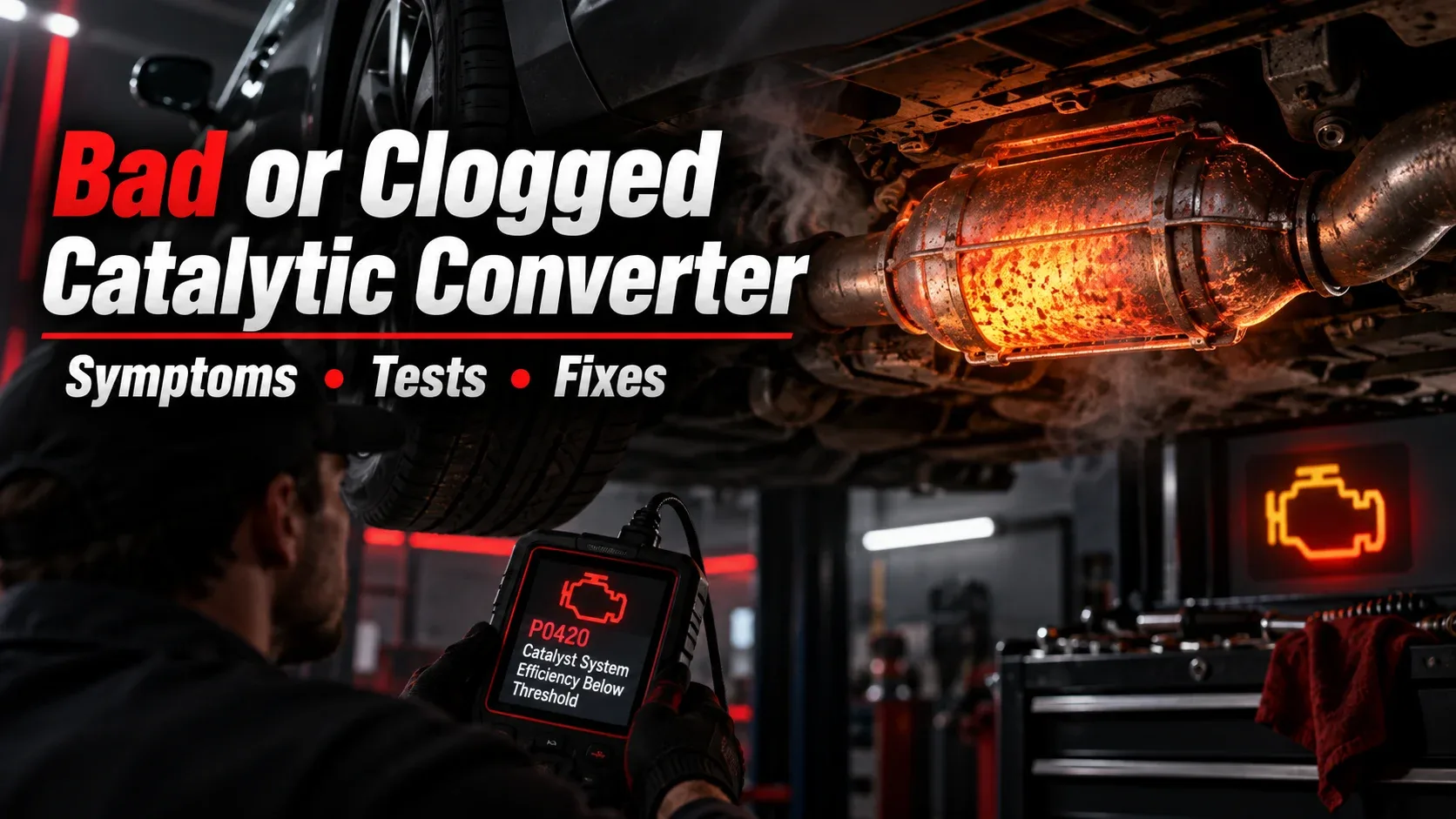
Dashboard warning lights exist for a reason. Even if your car still seems to drive normally, a warning light can signal early trouble. The check engine light is the classic example. It might mean something minor, like a loose gas cap, or something more serious, like ignition or emissions trouble.
The most important lights to act on quickly include:
– Check engine light
– Oil pressure light
– Battery light
– Brake system warning light
– Temperature warning light
If a light is flashing instead of staying solid, that usually means greater urgency. Keep in mind that modern vehicles rely on sensors and onboard diagnostics. Ignoring alerts can let a small issue spread into other systems. One neglected sensor problem can eventually affect fuel economy, engine performance, or even whether your car starts at all.
Changes in Driving Feel Are a Major Clue
Sometimes the car doesn’t make weird sounds or flash dramatic lights. It just feels off. That matters. If your steering feels loose, your suspension feels bouncy, or the car pulls to one side, something mechanical may be wearing down.
Watch for these changes:
– Steering wheel vibration
– Delayed acceleration
– Hard shifting
– Pulling during braking
– Rough idling
– Excessive bouncing over bumps
These symptoms can connect to tires, alignment, transmission issues, brake problems, or worn suspension parts. For example, a car that drifts left or right may need an alignment, but it could also have uneven tire wear or a brake caliper issue. The driving experience is one of your best diagnostic tools. If the car feels different from last week, treat that as useful information, not just a random mood swing from the vehicle.
Smells Inside or Around the Car Can Signal Trouble
Cars have a way of communicating through smell, and unfortunately they don’t always choose subtlety. A burning smell could mean overheated brakes, an oil leak touching hot engine parts, or an electrical issue. A sweet smell often points to leaking coolant. Rotten egg odor can suggest a catalytic converter problem.
If you notice a musty smell from the vents, mold or mildew may be building up in the HVAC system. That’s not just annoying. It can affect cabin air quality and signal drainage issues. Gasoline smells also deserve immediate caution, especially if they persist after startup.
Smell-related problems tend to get brushed off because drivers become used to them over time. That’s a mistake. Your nose can catch trouble before visible damage shows up, which makes it surprisingly useful in basic car care.
Routine Maintenance Is What Keeps Small Problems Small
A lot of expensive repairs start with neglected maintenance. Oil changes, tire rotations, brake inspections, fluid checks, and filter replacements are not glamorous. No one brags about getting a cabin air filter swapped. Still, these services protect the systems that keep your car safe and reliable.
A good maintenance approach includes:
– Following your owner’s manual schedule
– Checking tire pressure monthly
– Monitoring fluid levels
– Replacing worn wiper blades
– Inspecting brakes before they get noisy
– Paying attention to battery age
If you drive often in traffic, make short trips, or deal with seasonal temperature swings, your car may need closer attention than the generic schedule suggests. Preventive care usually costs less than emergency repair. It also saves you from the charming experience of waiting for a tow truck in uncomfortable weather.
Choosing Professional Help Before a Breakdown Saves Money and Stress
Many drivers wait until the car becomes impossible to ignore. That’s understandable, but it’s rarely the cheapest path. Getting professional attention when symptoms first appear often means a simpler repair, shorter downtime, and less risk of damage spreading.
When you bring your car in early, a technician can:
– Run diagnostics before failure happens
– Spot worn parts nearby
– Confirm whether the issue is urgent
– Help you plan repairs by priority
– Reduce the chance of roadside breakdowns
This matters even more if you rely on your car daily for work, school, or family responsibilities. A breakdown doesn’t just hit your wallet. It wrecks your schedule. The smarter move is to treat new symptoms like an early alert system. Listen, look, and act before your vehicle forces the conversation.
Final Thoughts on Catching Problems Before They Grow
You don’t need advanced mechanical knowledge to recognize when your car needs help. You just need to notice changes. Odd sounds, warning lights, leaks, strange smells, and differences in how the car drives all count. Those signs often show up well before a major failure.
The best habit is simple: don’t wait for certainty. If something seems off, get it checked. Professional inspections give you answers, and answers are a lot cheaper than guessing. Your car works hard every day, and it usually tells you when it’s struggling. Paying attention keeps you safer, helps your vehicle last longer, and cuts down the odds of a repair bill that makes your eyebrows leave the chat.