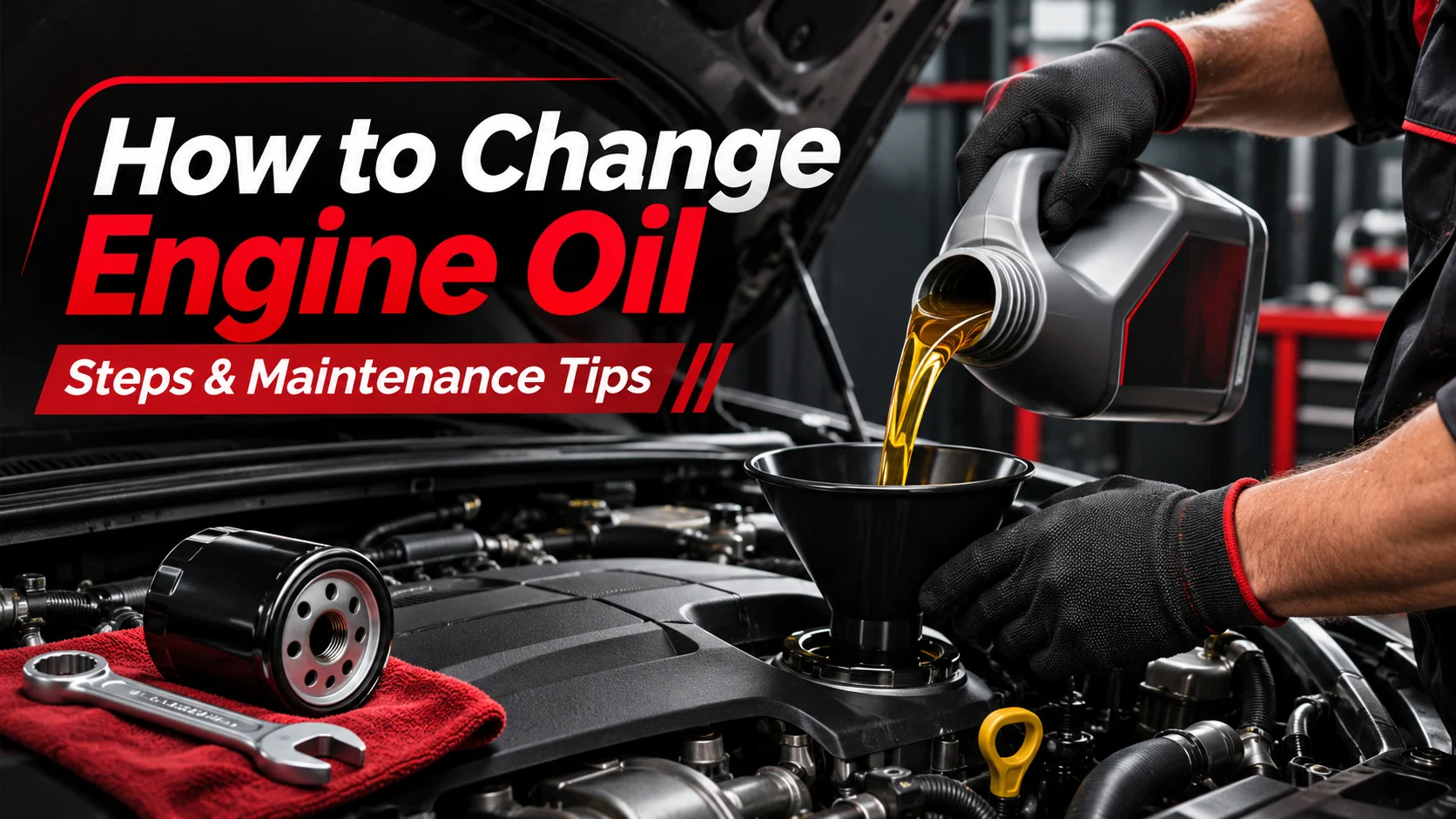
Want to change your car’s engine oil at home? You don’t need to be a professional mechanic to understand a routine oil change. With the right tools, correct motor oil, and proper safety precautions, many car owners can handle this maintenance task themselves.
This practical oil change guide walks you through the process, from choosing the right oil to checking for leaks after the job. You’ll also learn common mistakes to avoid and simple maintenance tips for your engine.
DIY CAR MAINTENANCE
Engine Oil Change: Quick Overview
Changing engine oil involves draining the used oil, replacing the oil filter, adding fresh manufacturer-approved motor oil, and verifying the level and installation.
30–60 min
Typical DIY time
$30–$80
Estimated supplies
Beginner DIY
Vehicle-dependent
Engine Protection
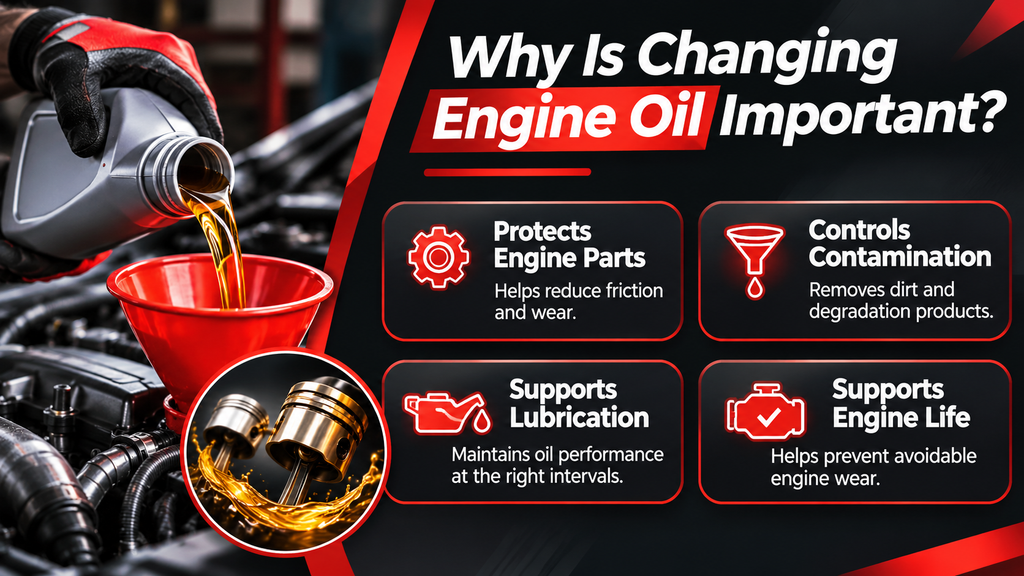
Why Is Changing Engine Oil Important?
Your engine contains moving metal components that generate heat and friction. Motor oil lubricates these components, helps carry away heat, and keeps contaminants suspended until the oil and filter are replaced.
✓
Protects Engine Parts
Helps reduce friction and wear between moving components.
✓
Controls Contamination
Removes oil containing accumulated dirt and degradation products.
✓
Supports Lubrication
Maintains oil performance when changed at appropriate intervals.
✓
Supports Engine Life
Helps protect the engine from avoidable maintenance-related wear.
Maintenance Schedule
How Often Should You Change Engine Oil?
Oil change intervals vary by vehicle. Some modern engines allow approximately 5,000–10,000 miles or longer between changes, while others require shorter intervals.
Frequent short trips, towing, extreme temperatures, and other severe driving conditions can affect the recommended schedule.
Expert tip: Check your owner’s manual or the manufacturer-approved oil life monitor. Use the specified mileage and time limits rather than automatically following a universal 3,000-mile rule.
Before You Start
Tools and Supplies You’ll Need
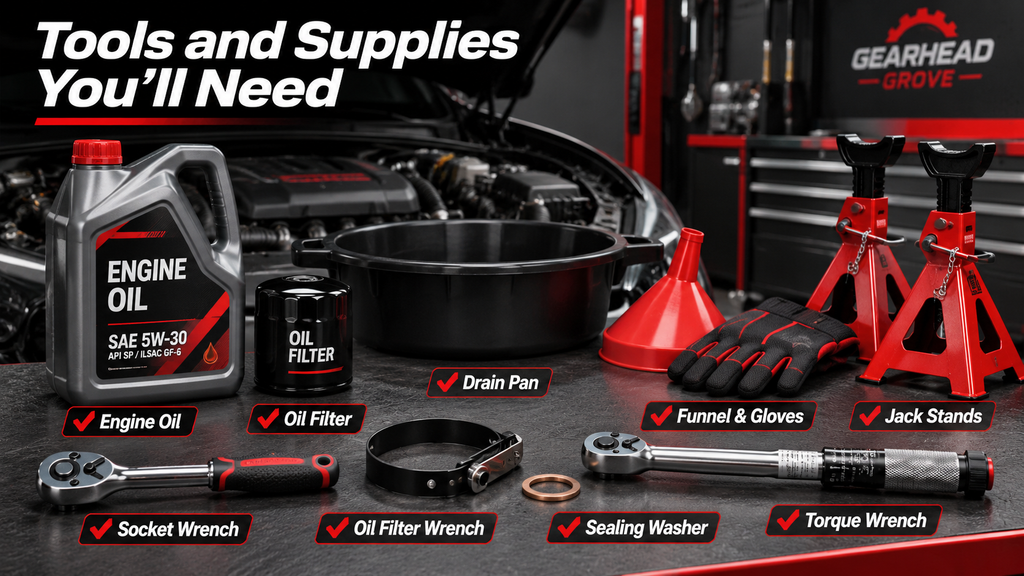
Gather your supplies before changing motor oil. Always confirm the correct oil specification, capacity, and filter for your exact engine.
| Equipment | Purpose |
|---|---|
| Approved engine oil | Refill the engine |
| Compatible oil filter | Replace the used filter |
| Socket wrench | Remove drain plug |
| Oil filter wrench | Help loosen the filter |
| Oil drain pan | Collect old oil |
| Funnel and gloves | Clean and safer handling |
| Torque wrench and seal | Correct drain plug installation |
| Approved vehicle supports | Safe access when needed |
DIY Oil Change
How to Change Engine Oil: 8 Simple Steps
These instructions describe a typical oil change. Your vehicle may require a different process, so consult the owner’s manual and appropriate service information.
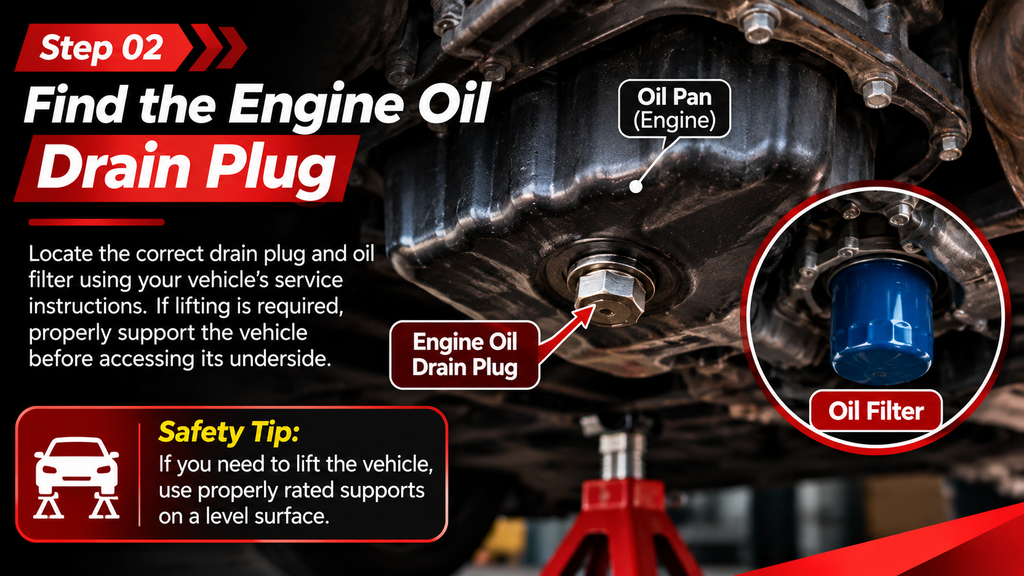
Safety warning: Never work beneath a vehicle supported only by a jack. Use properly rated supports and manufacturer-approved lifting points on a firm, level surface. Hot oil and exhaust parts can cause burns.
1. Park and Prepare the Car
Park on level ground, switch off the engine, and secure the vehicle against movement. Allow hot components to cool enough for safe handling. Follow any model-specific oil temperature instructions.
2. Find the Engine Oil Drain Plug
Locate the correct drain plug and oil filter using vehicle-specific service instructions. If lifting is required, properly support the vehicle before accessing its underside.
3. Drain the Old Motor Oil
Place a suitable drain pan below the plug. Carefully remove the plug with the correct tool and let the old oil drain. Avoid contact with hot oil. Inspect the plug and sealing washer.
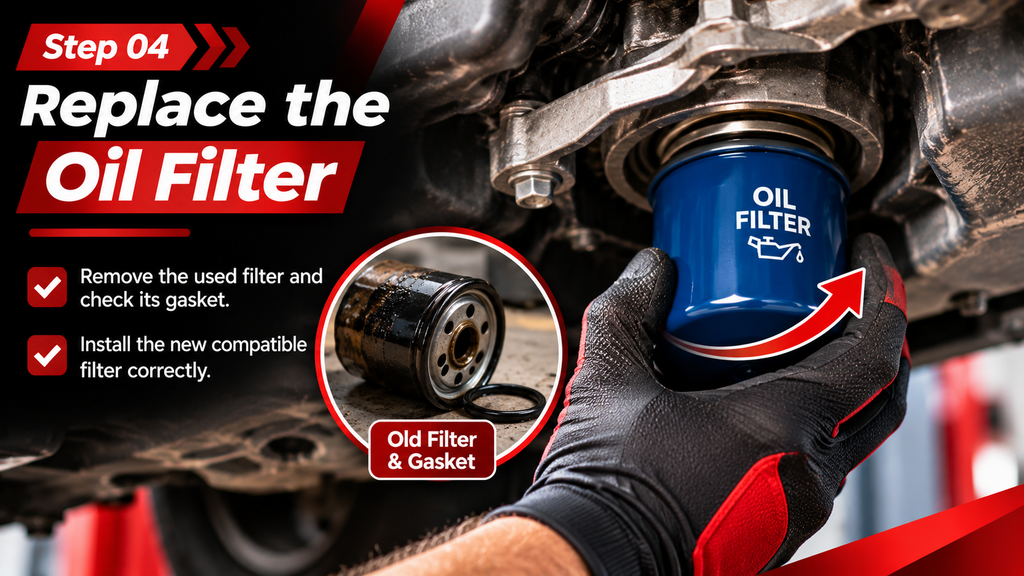
4. Replace the Oil Filter
Remove the used filter and check that its gasket has not remained attached to the engine. Install the new compatible filter according to its specified procedure.
5. Reinstall the Oil Drain Plug
Clean the sealing area, install a new washer if required, and tighten the drain plug to the specified torque. Overtightening can damage the oil pan threads.
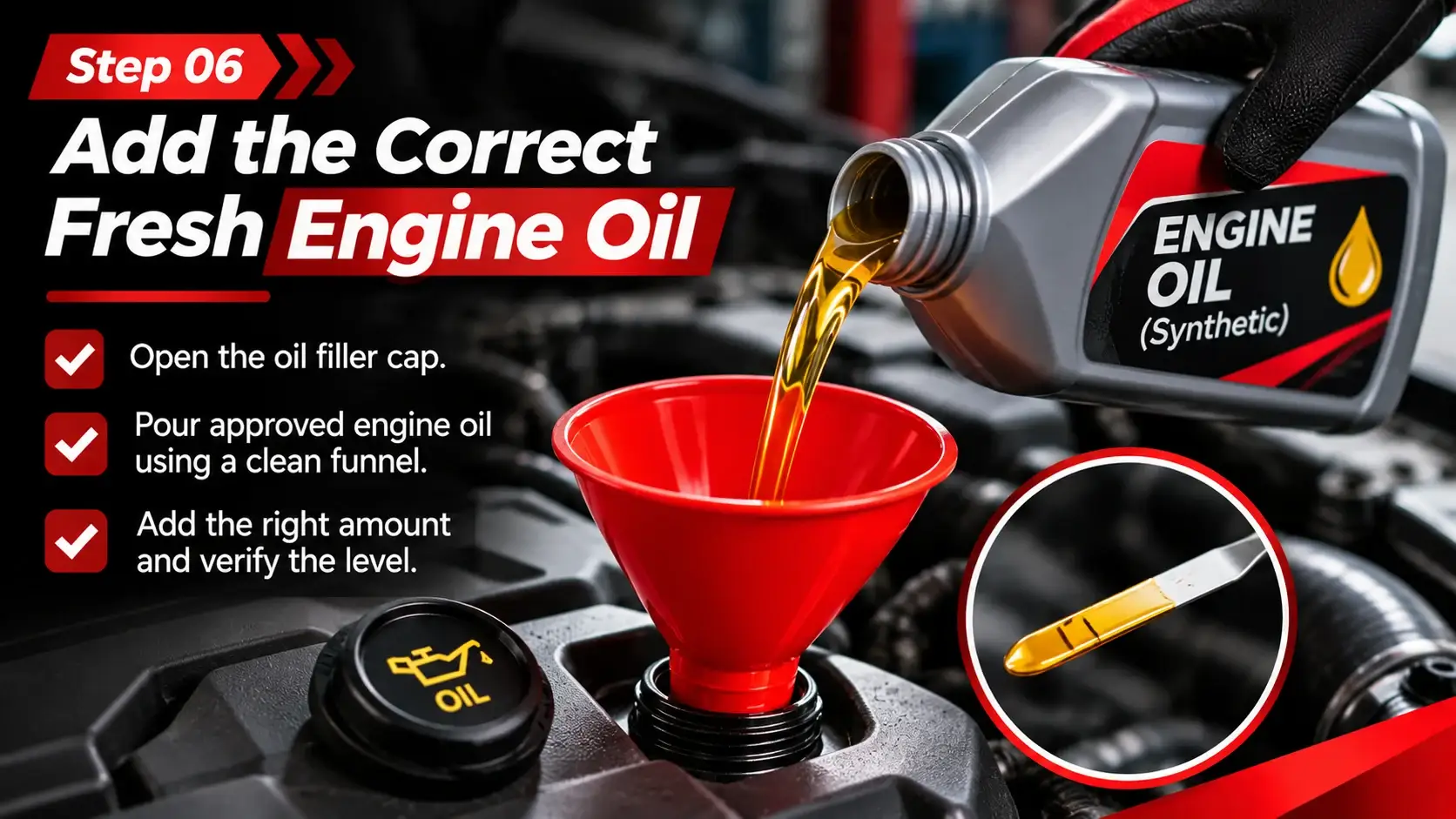
6. Add the Correct Fresh Engine Oil
Open the oil filler cap and pour in the approved engine oil using a clean funnel. Add oil carefully, using the specified capacity as a guide, and verify the level with the manufacturer’s method.
7. Start the Engine and Inspect for Leaks
Once everything is correctly installed, run the engine according to the service instructions. Confirm the oil pressure warning turns off normally, inspect for leaks, then switch off and recheck the level as directed.
Stop immediately: If the oil pressure warning stays on or unusual engine noises occur, shut off the engine and investigate before driving.
8. Finish and Record the Service
Reinstall any removed covers, reset the oil life monitor if required, and record the date and mileage. Take used oil and the filter to an appropriate recycling collection location.
Avoid Costly Problems
Common Oil Change Mistakes to Avoid
Using the Wrong Engine Oil
Match both the required viscosity and oil performance specification.
Adding Too Much Oil
Check the level carefully rather than relying on an estimated quantity.
Leaving the Old Filter Gasket
A double gasket can cause a major oil leak.
Overtightening the Drain Plug
Use the manufacturer’s torque specification to avoid damage.
Skipping the Final Leak Check
Confirm the filter and drain plug are properly sealed.
Keep Your Engine Healthy
Smart Engine Oil Maintenance Tips
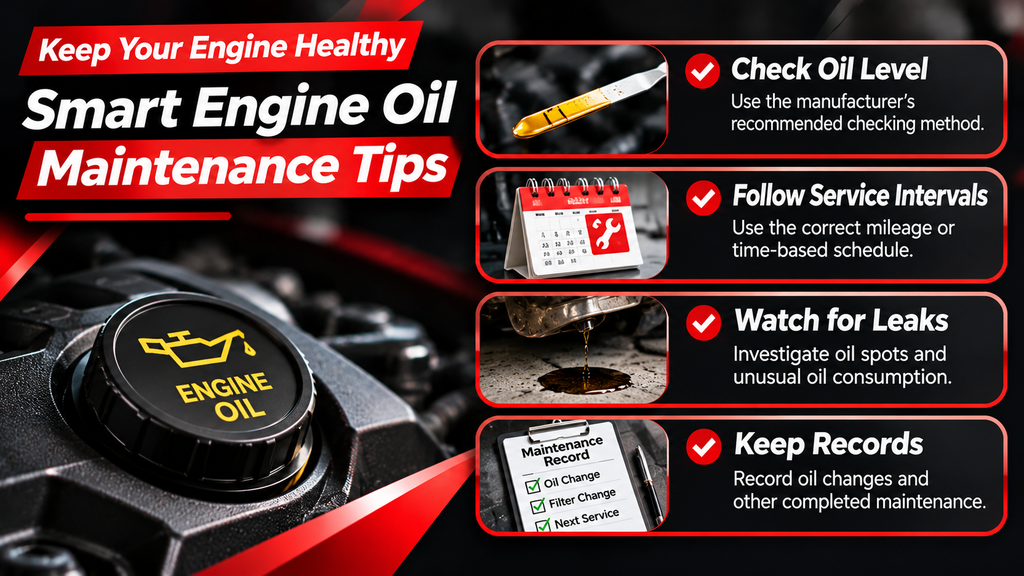
A good oil change routine can help prevent unnecessary engine wear. Keep these habits in mind between services.
✓ Check Oil Level
Use the manufacturer’s recommended checking method.
✓ Follow Service Intervals
Use the correct mileage or time-based schedule.
✓ Watch for Leaks
Investigate oil spots and unusual oil consumption.
✓ Keep Records
Record oil changes and other completed maintenance.
Maintenance Budget
DIY vs. Professional Oil Change Cost
Oil change costs depend on the vehicle, oil type, filter, location, and service provider. Here are broad US estimates.
DIY Oil Change
$30–$80
Estimated oil and filter cost, excluding tools.
Professional Service
$50–$120+
Approximate service cost, depending on vehicle and provider.
Doing the job yourself may save money if you already have the equipment. However, professional service is often preferable for vehicles with difficult access or specialized procedures.
Frequently Asked Questions
Engine Oil Change FAQs
Can beginners change engine oil at home?
Yes. Many routine oil changes are suitable for beginners who have the correct tools, service information, and a safe working environment.
How long does an engine oil change take?
A typical DIY oil change may take 30–60 minutes. Some vehicles require additional time or equipment.
Should I replace the filter every oil change?
Changing the oil filter at each oil change is common. Follow the replacement schedule specified for your vehicle.
Can too much engine oil damage my car?
Yes. Excess oil can cause foaming or other problems. Correct an overfill according to the service procedure before driving.
Can I change motor oil without lifting the vehicle?
Some vehicles offer sufficient access without lifting. Others require safe elevation or an approved oil extraction method.
Final Thoughts
Learning how to change engine oil can help you understand your vehicle and manage routine maintenance expenses. The key is using the correct motor oil, safe procedures, and manufacturer-approved instructions. Before driving, always confirm the oil level, normal oil pressure indication, and absence of leaks.